
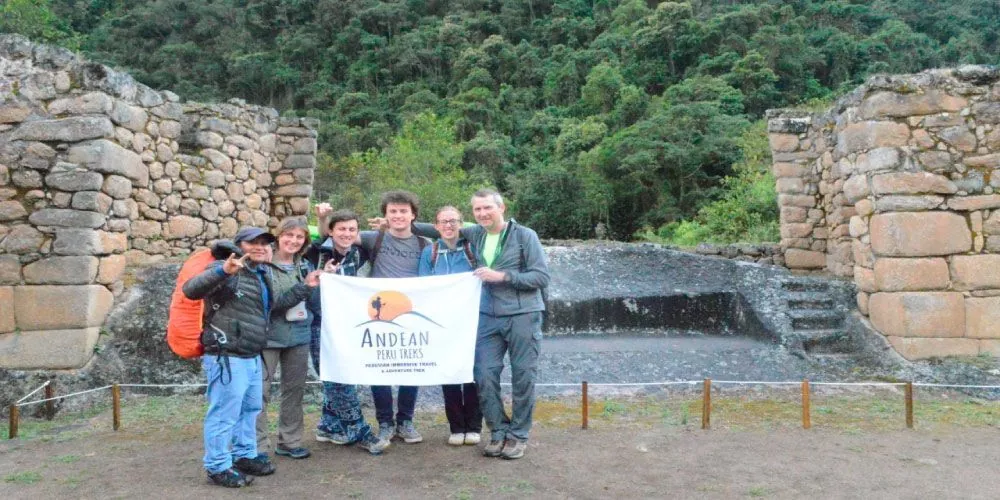
The Inca Trail to Machu Picchu is one of the most famous trekking routes in South America. Every year, thousands of travelers follow its original stone paths, cross high mountain passes and visit archaeological sites before arriving at Machu Picchu through the Sun Gate.
However, the regulated Inca Trail network is closed throughout February. This is not an unexpected closure or a temporary tourism restriction. It is a scheduled annual measure designed to protect the archaeological route, restore visitor infrastructure, support the recovery of the surrounding ecosystem and improve safety before the trail reopens.
The February closure normally affects both the Classic Inca Trail and shorter itineraries that use the official Inca Trail network. Machu Picchu itself usually remains open and can still be reached by train.
Is the Inca Trail Closed Every February?
Yes. The Inca Trail network normally closes from February 1 until the end of the month.
For example, the official 2026 closure covered the entire month of February, with tourism operations scheduled to resume on March 1. The temporary suspension applied to the regulated routes within the Inca Trail network of the Historic Sanctuary of Machu Picchu.
The scheduled February closure has been routinely implemented since 2002 as part of the regulations governing the sustainable use of the route.
Travelers should still verify the official dates for their particular year because administrative schedules or emergency conditions can occasionally change.
The Main Reasons for the February Closure
The Inca Trail does not close for only one reason. February provides authorities with a dedicated period for conservation, maintenance, environmental recovery and safety work.
The principal reasons include:
- Protecting the original Inca road
- Maintaining archaeological structures
- Repairing damaged walking surfaces
- Cleaning drainage systems
- Restoring campsites and visitor facilities
- Controlling vegetation
- Monitoring plants and wildlife
- Reducing safety risks
- Allowing parts of the ecosystem to recover
- Preparing the trail for another year of tourism
February Is Part of the Rainy Season
February falls within the rainy season in the Cusco and Machu Picchu region.
Frequent rainfall can affect the trail by producing:
- Muddy walking surfaces
- Water accumulation
- Soil erosion
- Loose stones
- Damage to drainage channels
- Unstable slopes
- Increased vegetation growth
- Deterioration of campsites
- A greater possibility of landslides
Closing the route during this period allows maintenance teams to work without groups of hikers continuously passing through the area.
Seasonal rainfall can also increase the possibility of natural disruptions such as landslides, which is one reason authorities emphasize preventive maintenance and visitor safety.
Conservation of the Original Inca Road
Large portions of the route contain original stone paths, stairways, retaining walls and drainage systems constructed during the Inca period.
These structures are historically valuable but remain exposed to:
- Rain
- Humidity
- Plant growth
- Soil movement
- Natural erosion
- Thousands of footsteps
- Changes in temperature
Maintenance teams inspect and restore sections of the trail before small problems become serious structural damage.
Work may include:
- Consolidating stone paths
- Repairing original stairways
- Leveling damaged sections
- Compacting loose surfaces
- Stabilizing retaining walls
- Removing accumulated mud
- Clearing blocked drainage channels
- Reinforcing vulnerable areas
These tasks require time, specialized knowledge and uninterrupted access to the route.
Maintenance of Archaeological Sites
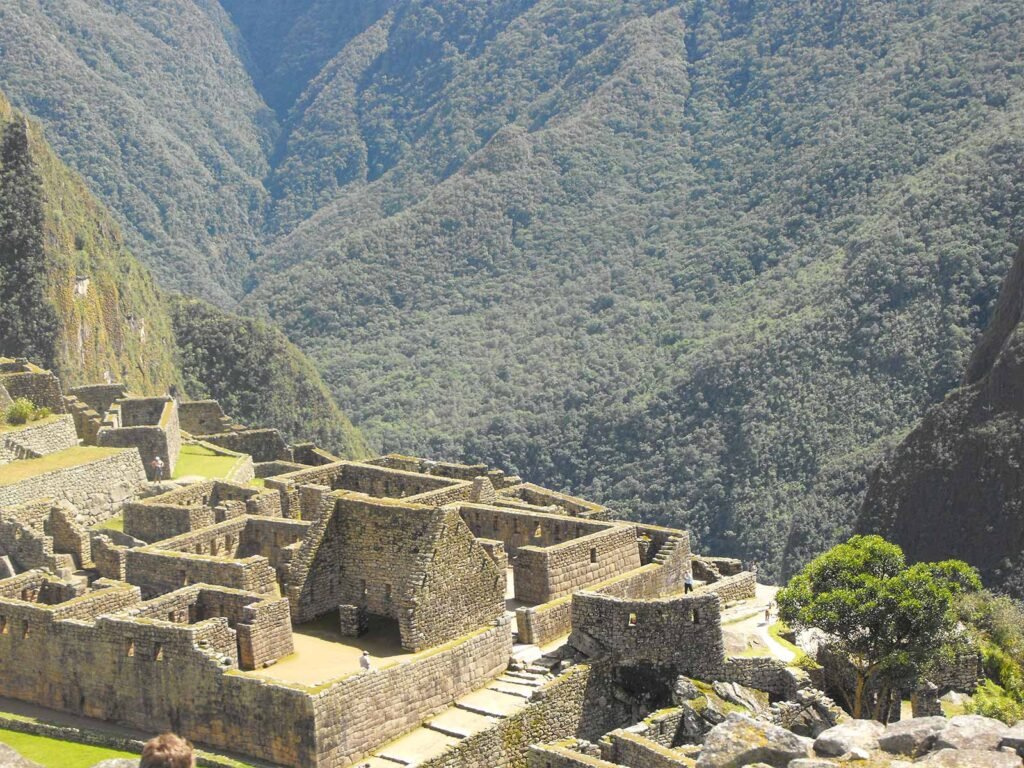
The Inca Trail is not simply a hiking path. It passes through numerous archaeological complexes before reaching Machu Picchu.
Important sites along the network include:
- Patallaqta
- Sayacmarca
- Qonchamarca
- Phuyupatamarca
- Wiñay Wayna
- Chachabamba
- Intipunku
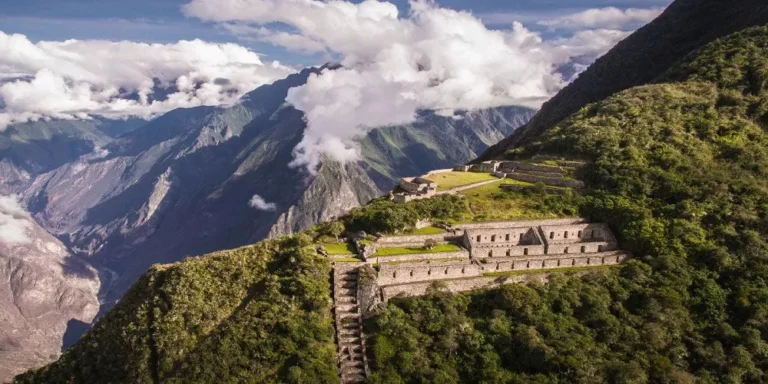
- Choquesuysuy
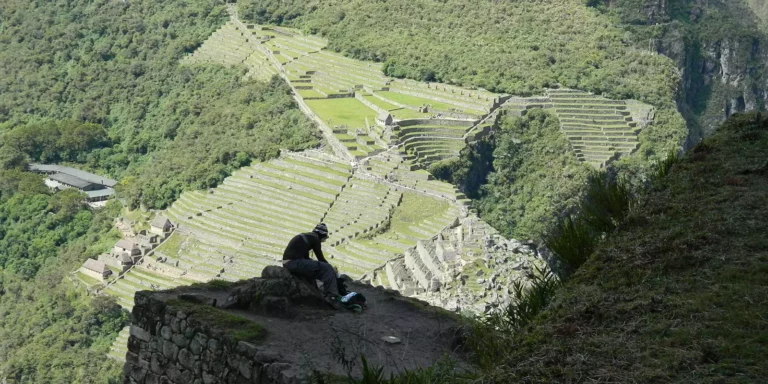
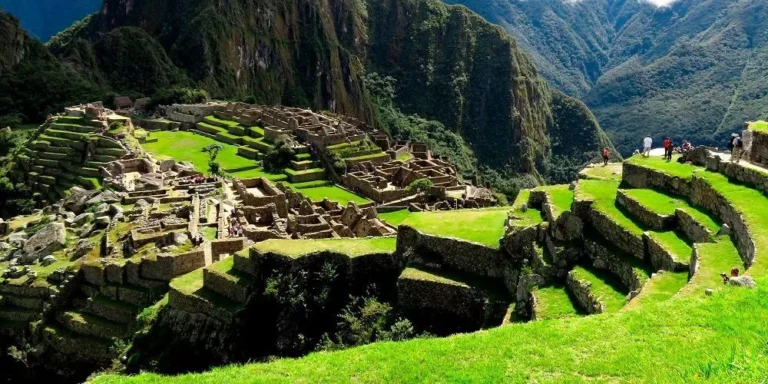
During the February closure, specialists work on walls, terraces, ceremonial spaces, stairways, water channels, fountains and other archaeological structures.
Official maintenance activities include removing vegetation from walls, clearing roots around architectural remains, cleaning platforms and preserving original stone structures.
Without regular maintenance, roots and moisture could gradually weaken walls and separate stones from their original positions.
Vegetation Control
The Inca Trail crosses several ecological environments, including high-altitude grasslands and humid cloud forest.
Vegetation grows quickly during the rainy season. Although plants are an essential part of the ecosystem, uncontrolled growth can damage archaeological structures.
Roots may:
- Enter spaces between stones
- Place pressure on ancient walls
- Block drainage channels
- Cover stairways
- Destabilize terraces
- Hide structural damage
Maintenance workers carefully remove weeds, grasses and invasive roots from sensitive areas.
The objective is not to eliminate the natural vegetation. It is to prevent uncontrolled plant growth from damaging archaeological structures or blocking visitor pathways.
Cleaning and Repairing Drainage Systems
The Inca Trail contains original and modern drainage infrastructure that helps direct rainwater away from paths, archaeological sites and campsites.
During February, workers clean and repair:
- Stone channels
- Water fountains
- Roadside drains
- Campground drainage
- Culverts
- Water outlets
Effective drainage is essential during the rainy season. A blocked channel can cause water to flow over the trail, wash away soil or damage a retaining wall.
The Incas developed sophisticated water-management systems, but these structures still require careful conservation.
Repairing Bridges, Railings and Walkways
Not every structure currently used by visitors is from the Inca period.
Modern safety infrastructure has been installed in certain sections, including:
- Wooden bridges
- Handrails
- Railings
- Small footbridges
- Signs
- Control points
- Protected crossings
These elements are inspected, repaired or replaced during the annual closure.
Official conservation programs have included maintenance and renewal of wooden bridges, railings, handrails and related structures along the route.
This work helps ensure that the trail is ready for visitors when it reopens.
Campsite Maintenance
The Classic Inca Trail is a multi-day trekking route, so campsites are an important part of the visitor experience.
Thousands of trekkers, guides, cooks and porters use designated camping areas throughout the year.
During February, teams may:
- Level campground surfaces
- Improve drainage
- Compact loose ground
- Add appropriate surface material
- Repair rest areas
- Clean surrounding spaces
- Restore damaged sections
- Inspect water systems
- Maintain waste facilities
Common camping sectors requiring periodic maintenance include areas such as Pacaymayo, Chaquicocha, Phuyupatamarca and Wiñay Wayna.
Maintenance of Toilets and Sanitation Systems
The trail passes through a protected natural and archaeological environment where sanitation must be carefully managed.
February maintenance may include:
- Cleaning toilets
- Repairing sanitary facilities
- Maintaining septic systems
- Inspecting water connections
- Improving waste-management areas
- Restoring facilities at control points
- Preventing contamination
Official work programs have included the rehabilitation of septic tanks, toilets and sanitary facilities at campsites and checkpoints.
Proper sanitation protects visitors, employees, local water sources and the surrounding ecosystem.
Natural Recovery of the Ecosystem
The closure is also intended to provide a temporary pause from daily tourism activity.
Throughout the rest of the year, the route receives hikers and tourism personnel almost every day. Even when visitors follow all regulations, continuous use creates pressure on the environment.
A month without tourism allows:
- Vegetation around the route to recover
- Wildlife to move with less disturbance
- Fragile areas to rest
- Environmental teams to conduct inspections
- Specialists to monitor plants and animals
- Waste and damaged materials to be removed
- Restoration work to proceed without interruption
The latest official closure announcement specifically identified natural ecosystem recovery and biological monitoring of flora and fauna as part of the annual conservation program.
Biological Monitoring
The Historic Sanctuary of Machu Picchu protects both cultural heritage and natural biodiversity.
The area contains:
- High-Andean ecosystems
- Cloud forest
- Native orchids
- Birds
- Mammals
- Insects
- Reptiles
- Numerous endemic and protected species
During the closure, environmental specialists can monitor the condition of habitats and study the effects of human activity.
This information helps authorities make decisions about:
- Visitor management
- Trail protection
- Wildlife conservation
- Vegetation control
- Campsite use
- Environmental recovery
Improving Visitor Safety
The February closure helps prepare the route for safer operation during the following trekking season.
Maintenance teams can identify and address:
- Loose stones
- Damaged steps
- Unstable walls
- Broken handrails
- Blocked drains
- Eroded pathways
- Dangerous vegetation
- Damaged bridges
- Problems at campsites
- Sanitation issues
Safety is particularly important because several sections of the Inca Trail are steep, narrow and remote.
Emergency access can be difficult, so preventive maintenance is more effective than waiting for infrastructure to fail while visitors are present.
Who Maintains the Inca Trail?
The annual work is coordinated by Peruvian government institutions responsible for cultural and natural heritage.
Maintenance involves:
- Archaeologists
- Conservation specialists
- Environmental professionals
- Experienced maintenance workers
- Protected-area personnel
- Infrastructure teams
- Biological monitoring specialists
The work is performed by qualified personnel with experience in archaeological conservation and maintenance of the Inca Trail network.
Restoring an ancient stone path requires more care than repairing a modern hiking trail. Workers must preserve original materials and construction methods whenever possible.
Is Machu Picchu Also Closed in February?
No. The scheduled February closure normally applies to the regulated Inca Trail network, not automatically to the Machu Picchu archaeological site.
Visitors can generally continue traveling to Machu Picchu by:
- Road transportation from Cusco to the Sacred Valley
- Train from Ollantaytambo or another operating station
- Arrival in Aguas Calientes
- Bus or uphill walk to the Machu Picchu entrance
- Entry using a valid Machu Picchu ticket
Official tourism information has repeatedly clarified that travelers may continue visiting Machu Picchu while the Inca Trail is undergoing maintenance.
Separate emergency closures can occasionally occur because of weather, transportation problems or other exceptional circumstances. Travelers should therefore confirm current conditions before departure.
Which Inca Trail Tours Are Unavailable?
The February closure affects tourism itineraries that enter the official Inca Trail network.
These normally include:
- The Classic Inca Trail
- The Short Inca Trail
- One-day itineraries using regulated Inca Trail access
- Longer variations using sections of the protected network
- Tours entering through trail checkpoints such as Kilometer 82 or Kilometer 104
For 2026, the official suspension applied to routes 1, 2, 3, 5 and 6 within the Inca Trail network.
Tour operators cannot simply use the trail without permits during the closure.
Can You Obtain an Inca Trail Permit for February?
Tourist permits are not issued for trekking dates that fall within the scheduled closure.
A tour company cannot legally provide access by:
- Using another checkpoint
- Starting earlier without authorization
- Entering through an unofficial path
- Changing the passenger’s permit date
- Avoiding government controls
Travelers should be cautious if anyone claims to offer the official Inca Trail during February.
An authorized operator should explain the closure and recommend a legal alternative.
Does the Inca Trail Close Because Tickets Are Sold Out?
No. The February closure is unrelated to ticket availability.
The trail is closed even when travelers are willing to purchase permits. The purpose is conservation, maintenance, environmental recovery and safety.
This is different from seeing “no availability” during another month.
Outside February, a date may be unavailable because:
- Daily permits have sold out
- The reservation platform has not opened
- A route has been temporarily restricted
- An emergency closure is in effect
- The selected operator has no remaining spaces
During February, however, the normal annual closure applies to the entire regulated network.
Is the Closure Caused Only by Rain?
Rain is an important factor, but it is not the only reason.
The closure provides an organized period for:
- Archaeological conservation
- Infrastructure repairs
- Environmental monitoring
- Trail restoration
- Campsite maintenance
- Sanitation work
- Vegetation control
- Natural recovery
Even during a February with less rainfall, the scheduled maintenance period remains necessary.
Why Was February Selected?
February falls within the rainy season and is therefore a practical period for the annual maintenance program.
The route experiences:
- Frequent moisture
- Rapid vegetation growth
- Increased runoff
- Mud
- Greater erosion pressure
- Fewer ideal trekking days
Closing the trail during this period allows essential work to be completed before conditions generally improve in March and the busier trekking months begin.
When Does the Inca Trail Reopen?
The network normally reopens on March 1 after the maintenance period has been completed.
Before reopening, authorities need to confirm that:
- Walking surfaces are ready
- Archaeological areas are stable
- Campsites are operational
- Drainage systems function correctly
- Sanitation facilities are available
- Bridges and handrails are safe
- Visitor infrastructure is prepared
Travelers planning a trek in early March should understand that the weather can still be rainy.
The reopening of the route does not mean the rainy season has completely ended.
Can the Reopening Be Delayed?
A delay is possible when exceptional conditions affect the trail.
Potential reasons could include:
- Landslides
- Flooding
- Structural damage
- Extreme rainfall
- Emergency restoration
- Safety concerns
- Government restrictions
Although the route normally reopens on March 1, travelers should confirm the status with their operator before arriving in Cusco.
Alternatives to the Inca Trail in February
Travelers visiting Peru in February still have several ways to experience Machu Picchu and the Cusco region.
Machu Picchu by Train
Traveling by train is the most practical alternative.
A typical two-day itinerary includes:
Day 1
- Transportation from Cusco to Ollantaytambo
- Train to Aguas Calientes
- Hotel check-in
- Overnight stay
Day 2
- Bus to Machu Picchu
- Guided visit
- Return to Aguas Calientes
- Train to Ollantaytambo
- Transportation to Cusco
Staying overnight provides more flexibility during the rainy season.
Salkantay Trek
The Salkantay Trek is an alternative route through high mountains and cloud forest.
Unlike the regulated Classic Inca Trail, it does not normally close automatically for the entire month of February. However, February conditions can be difficult because of:
- Heavy rain
- Mud
- Snow or hail at high altitude
- River changes
- Landslide risk
- Reduced visibility
- Challenging road access
Travelers should select an experienced operator and evaluate the conditions carefully.
Lares Trek
The Lares region offers mountain scenery, rural communities and traditional Andean culture.
Some Lares itineraries may operate during February, but weather can affect trails and transportation.
A typical journey may combine the trek with a train from Ollantaytambo to Aguas Calientes.
Inca Jungle
The Inca Jungle combines several activities and transportation methods before reaching Machu Picchu.
Depending on the itinerary, it may include:
- Cycling
- Hiking
- Rafting
- Ziplining
- Hot springs
- Train or road transportation
Rainy-season conditions can affect roads, rivers and outdoor activities, so travelers must confirm which services are operating.
Machu Picchu by the Hidroeléctrica Route
Some travelers reach Aguas Calientes through the road to Hidroeléctrica and then walk beside the railway.
February can make this option more complicated because of:
- Long road journeys
- Mountain curves
- Heavy rain
- Possible delays
- Landslide risk
- Wet walking conditions
It should be organized carefully and should not depend on tight connections.
Activities in Cusco During February
Travelers who decide not to complete an alternative trek can still visit:
- Cusco’s historic center
- Sacsayhuaman
- Qenqo
- Puka Pukara
- Tambomachay
- The Sacred Valley
- Pisac
- Ollantaytambo
- Chinchero
- Maras and Moray
- The South Valley
- Local museums
- Traditional markets
February offers green landscapes, although rain protection and flexible scheduling are essential.
Should You Postpone Your Trip Until March?
Postponing may be the best choice when completing the official Inca Trail is the principal purpose of your trip.
Choose March or a later month when:
- The Inca Trail is your priority
- You want to enter through Intipunku
- You prefer a regulated multi-day trekking experience
- You want better chances of improved trail conditions
- Your dates are flexible
Continue with a February trip when:
- You are comfortable visiting Machu Picchu by train
- You want greener landscapes
- You prefer fewer visitors
- You are flexible about rain
- You are interested in cultural activities
- The official Inca Trail is not essential to your experience
Planning an Inca Trail Trek After February
Travelers planning a trek from March onward should reserve early.
The official Inca Trail has limited daily permits, and availability includes:
- Travelers
- Guides
- Porters
- Cooks
- Support personnel
Popular dates can sell out months in advance.
Before booking, prepare:
- Full name
- Passport number
- Nationality
- Date of birth
- Preferred departure date
- Alternative dates
- Student documentation when applicable
Passport information must be entered correctly because permits are personal and strictly controlled.
Common Misunderstandings
“Machu Picchu Is Closed in February”
Incorrect. The annual closure normally affects the Inca Trail network, while Machu Picchu remains accessible by train.
“The Trail Closes Only When It Rains Heavily”
Incorrect. The February closure is scheduled annually rather than decided day by day.
“Tour Companies Can Still Enter With Special Permission”
Normal tourist operations are suspended. Agencies cannot legally bypass the closure.
“The Trail Is Closed Because There Are No Tourists”
Incorrect. It closes for organized conservation, maintenance, environmental recovery and safety work.
“Every Trek to Machu Picchu Closes”
Incorrect. The official Inca Trail network closes, but other trekking routes may operate depending on weather and safety conditions.
Frequently Asked Questions
Can I Hike the Classic Inca Trail in February?
No. The regulated Classic Inca Trail is normally closed throughout February.
Can I Hike the Short Inca Trail in February?
No. Short itineraries using the official Inca Trail network are also affected by the closure.
Can I Visit Machu Picchu in February?
Yes. Machu Picchu normally remains open and can be reached by train through Aguas Calientes.
Does the Trail Reopen on March 1?
It normally reopens on March 1, subject to official confirmation and safe operating conditions.
Is February a Bad Time to Visit Cusco?
Not necessarily. February provides green landscapes, cultural activities and potentially fewer visitors. Travelers must prepare for rain and possible transportation changes.
Can I Book an Alternative Trek?
Some alternative treks may operate, but availability depends on weather, trail safety and local transportation conditions.
Is February Maintenance Necessary?
Yes. Continuous tourism, rainfall, vegetation and natural erosion create pressure on the trail, archaeological structures and visitor infrastructure.
Final Recommendations
The Inca Trail is closed in February to preserve one of Peru’s most important cultural and natural routes.
The closure allows specialists to:
- Restore ancient stone paths
- Maintain archaeological sites
- Clear vegetation
- Repair drainage systems
- Improve campsites
- Maintain sanitary facilities
- Inspect bridges and handrails
- Monitor wildlife and plant species
- Support ecosystem recovery
- Improve visitor safety
Travelers whose main objective is the Classic or Short Inca Trail should select a departure from March onward and reserve their permits early.
Those visiting in February can still travel to Machu Picchu by train, explore Cusco and the Sacred Valley, or evaluate alternative trekking routes according to weather conditions.
The annual closure should not be considered an inconvenience without purpose. It is a necessary conservation measure that helps ensure the Inca Trail remains safe, authentic and protected for future generations.


Deja un comentario