
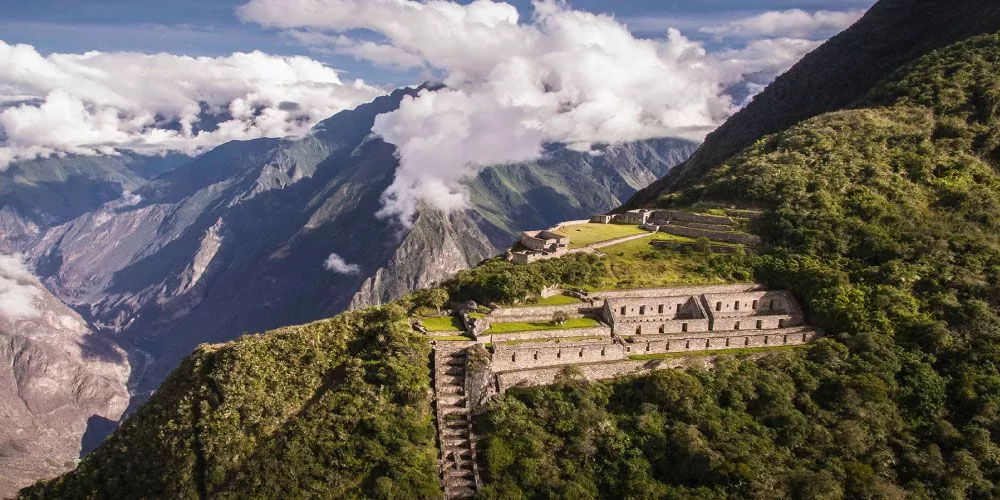
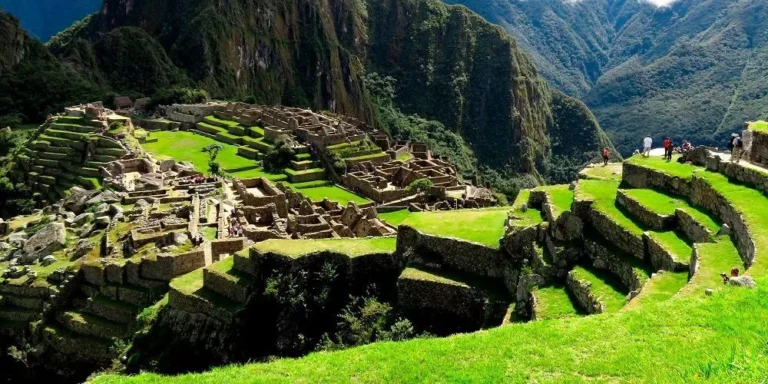
Hiking the Inca Trail to Machu Picchu is one of the most memorable adventures in Peru. The route combines ancient stone paths, archaeological sites, high mountain passes, cloud forest and spectacular views before reaching Machu Picchu through Intipunku, the famous Sun Gate.
Although the trek does not require technical climbing skills, it can be physically demanding because of the altitude, steep stairways and changing weather conditions. Good preparation can make the difference between simply completing the trail and truly enjoying the experience.
This guide provides the best tips for hiking the Inca Trail safely, comfortably and responsibly.
Choose the Right Inca Trail Route
Before booking, decide which Inca Trail experience is most suitable for your schedule and physical condition.
The most common options include:
- The Classic Inca Trail
- The Short Inca Trail
- Extended Inca Trail itineraries
- Private Inca Trail tours
- Group Inca Trail tours
Classic Inca Trail
The Classic Inca Trail is normally completed over four days and three nights.
It includes:
- Several days of hiking
- High mountain passes
- Original Inca stone paths
- Archaeological complexes
- Camping
- Cloud-forest scenery
- Arrival at Machu Picchu through the Sun Gate
This option is recommended for travelers who want the complete trekking and camping experience.
Short Inca Trail
The Short Inca Trail usually involves one main hiking day followed by an overnight stay in Aguas Calientes and a visit to Machu Picchu.
It normally includes:
- A shorter hike
- Wiñay Wayna
- Intipunku
- Panoramic views of Machu Picchu
- No traditional multi-night camping experience
This route is suitable for travelers with limited time or those who prefer a less demanding trek.
Book Your Inca Trail Permit Early
Access to the official Inca Trail is controlled through a limited permit system.
Permits are connected to:
- The traveler’s full name
- Passport information
- Nationality
- Date of birth
- Departure date
- Authorized tour operator
Popular dates can sell out months in advance, especially during the dry season.
Book early when you plan to travel during:
- May
- June
- July
- August
- September
- Major holidays
- School vacation periods
The official Inca Trail normally cannot be completed independently. Travelers must reserve through an authorized tour operator.
Check Your Passport Information Carefully
Your passport details must be entered correctly when the permit is reserved.
Before confirming your booking, check:
- Full name
- Passport number
- Nationality
- Date of birth
- Passport expiration date
The information should match the passport you will present at the trail checkpoint.
If you renew your passport after booking, inform your tour operator as soon as possible. You may need to travel with both the new passport and proof of the previous passport details.
Inca Trail permits are usually personal and cannot simply be transferred to another traveler.
Spend Time Acclimatizing in Cusco
Altitude is one of the greatest challenges of the Inca Trail.
Cusco is already located at a high elevation, while parts of the trail climb considerably higher. Travelers arriving directly from sea level should not begin the trek immediately.
Spend at least two days acclimatizing before departure.
During your acclimatization period:
- Walk slowly
- Drink enough water
- Eat light meals
- Avoid excessive alcohol
- Sleep properly
- Complete easy activities
- Monitor how your body responds
- Avoid an intense mountain tour on your first day
Good acclimatization does not guarantee that you will avoid all symptoms, but it can significantly improve your comfort.
Consider Spending Time in the Sacred Valley
The Sacred Valley is located at a lower altitude than Cusco and can be a useful place to begin your trip.
Visitors can acclimatize while exploring:
- Pisac
- Ollantaytambo
- Chinchero
- Urubamba
- Maras
- Moray
Staying in Ollantaytambo before the trek can also reduce travel time on departure morning, depending on the route and starting point.
Train Before the Trek
The Inca Trail does not require professional athletic ability, but basic physical preparation is highly recommended.
Begin training several weeks before your trip.
Useful preparation includes:
- Regular walking
- Hiking on uneven terrain
- Stair climbing
- Cardiovascular exercise
- Leg-strength exercises
- Core exercises
- Walking with a small backpack
- Practicing long consecutive hiking days
The trail contains many stone steps. Training only on flat ground may not prepare your knees and legs for steep climbs and descents.
Practice Hiking Uphill and Downhill
Many travelers focus only on uphill fitness, but downhill sections can also be difficult.
Long descents place pressure on:
- Knees
- Ankles
- Quadriceps
- Lower back
- Feet
Practice controlled downhill walking before your trip.
Walking poles can help reduce pressure on the knees, especially during long descents.
Understand the Difficulty
The Inca Trail is considered a moderate to challenging trek.
The difficulty comes from a combination of:
- High altitude
- Long walking days
- Steep stone steps
- Changing temperatures
- Camping
- Limited recovery time
- Rain or strong sunlight
- Consecutive days of physical activity
The trail is not a race. Walking slowly and consistently is more effective than starting too quickly and becoming exhausted.
Prepare for Dead Woman’s Pass
The highest and most physically demanding section of the Classic Inca Trail is commonly known as Dead Woman’s Pass.
The climb is challenging because of:
- High elevation
- Long uphill sections
- Reduced oxygen
- Steep stone steps
- Rapidly changing weather
To manage the ascent:
- Begin slowly
- Maintain a steady rhythm
- Take short breaks
- Drink water regularly
- Avoid comparing your speed with others
- Listen to your guide
- Keep warm clothing accessible
Reaching the pass is an important achievement, but you should still preserve energy for the descent.
Choose a Reliable Tour Operator
The quality of the tour operator can strongly affect your Inca Trail experience.
A responsible operator should provide clear information about:
- Permits
- Transportation
- Guides
- Meals
- Camping equipment
- Porters
- Emergency procedures
- Group size
- Entrance tickets
- Return transportation
- Equipment rental
- Environmental practices
Before booking, ask exactly what is included and what requires an additional payment.
Ask About the Group Size
Group size influences the pace, atmosphere and level of personal attention.
A smaller group may provide:
- Easier communication with the guide
- More flexible walking rhythms
- Better archaeological explanations
- Simpler campsite organization
- A more personal experience
Larger groups can be more social and sometimes more economical.
Choose according to your travel style rather than assuming one option is always better.
Decide Between a Group and Private Tour
Group Tour
A group tour is suitable for travelers who:
- Enjoy meeting other hikers
- Want a more affordable option
- Feel comfortable following a shared schedule
- Prefer a social trekking experience
Private Tour
A private tour may be better for:
- Families
- Couples
- Older travelers
- Photographers
- Travelers with specific dietary needs
- People who want a flexible pace
- Visitors seeking more personalized explanations
A private tour does not eliminate the physical difficulty, but it can provide more control over the walking rhythm.
Pack Light
Packing too much is one of the most common Inca Trail mistakes.
You do not need to carry everything you would normally bring on a long vacation.
Focus on:
- Essential clothing
- Personal medication
- Rain protection
- Water
- Sun protection
- Small electronic devices
- Basic toiletries
- Documents
- Lightweight personal items
A lighter backpack reduces fatigue and makes steep sections more manageable.
Understand Porter Weight Limits
Porters may carry part of the group equipment and, depending on the tour, a limited amount of personal luggage.
Your operator should explain:
- The personal weight allowance
- The type of duffel bag provided
- What you must carry yourself
- Which items are prohibited
- When you will have access to your duffel bag
You will usually carry your own daypack during the hike.
Do not exceed the agreed limit. Porter weight restrictions exist to protect worker health and safety.
Choose the Right Daypack
A suitable daypack should be comfortable, lightweight and large enough for daily essentials.
Look for:
- Padded shoulder straps
- Adjustable chest strap
- Comfortable back support
- Rain cover
- Side pockets
- Easy access to water
- Secure compartments
A daypack of moderate size is generally sufficient.
Carry:
- Water
- Rain jacket
- Warm layer
- Sun protection
- Passport
- Camera
- Snacks
- Personal medication
- Small first-aid items
Wear Proper Hiking Shoes
Footwear is one of the most important equipment choices.
Choose shoes or boots with:
- Good traction
- Ankle or foot support
- Comfortable cushioning
- Secure laces
- Water resistance
- A tested fit
Never begin the Inca Trail with completely new hiking shoes.
Wear them during several practice hikes before traveling.
New or poorly fitted shoes can cause:
- Blisters
- Heel pain
- Toe injuries
- Ankle discomfort
- Reduced walking speed
Bring Good Hiking Socks
Hiking socks help manage moisture and reduce friction.
Bring several pairs and consider changing socks during long or wet days.
Avoid relying only on thin cotton socks because they can retain moisture.
Suitable socks should:
- Fit securely
- Dry relatively quickly
- Provide cushioning
- Reduce friction
- Cover areas where the shoe may rub
Keep at least one dry pair protected inside a waterproof bag.
Use Walking Poles
Walking poles can be very useful on the Inca Trail.
They provide support during:
- Steep climbs
- Long descents
- Slippery sections
- Uneven stone stairways
- Muddy paths
- River crossings
Poles may reduce pressure on the knees and improve balance.
Use rubber-protected tips when required to prevent damage to the ancient stone trail.
Dress in Layers
Weather on the Inca Trail can change quickly.
A practical clothing system includes:
- A breathable base layer
- A light fleece or sweater
- A warm outer layer
- A waterproof jacket
Temperatures may feel warm while hiking uphill and cold when resting at high elevations.
Layered clothing allows you to adjust throughout the day.
Prepare for Rain
Rain can occur even during the dry season.
Bring:
- Waterproof jacket
- Backpack rain cover
- Lightweight poncho
- Waterproof pouch for documents
- Quick-drying trousers
- Extra socks
- Plastic or waterproof bags
Do not depend only on a disposable poncho.
A proper waterproof jacket provides better protection during prolonged rain or wind.
Protect Your Sleeping Clothes
Keep one set of clothing specifically for sleeping.
Store it inside a sealed waterproof bag.
Dry sleeping clothes can significantly improve comfort after a wet hiking day.
Your sleeping set may include:
- Thermal shirt
- Thermal trousers
- Clean socks
- Warm hat
- Lightweight fleece
Avoid using your sleeping clothes during the daytime unless necessary.
Bring a Warm Sleeping Bag
Nights can become cold, especially at higher campsites.
A suitable sleeping bag should match the expected temperatures for your travel period.
Ask your tour operator about:
- Temperature rating
- Sleeping bag condition
- Rental price
- Cleaning procedures
- Size
- Weight
A sleeping bag liner can add warmth and provide an additional layer of hygiene.
Prepare for Cold Nights
Even when daytime temperatures are comfortable, nighttime temperatures can drop considerably.
Useful items include:
- Thermal underwear
- Warm socks
- Fleece
- Insulated jacket
- Gloves
- Warm hat
- Sleeping bag liner
Do not assume that Peru’s tropical location means warm mountain nights.
Protect Yourself From the Sun
Sun exposure can be intense at high altitude.
Bring:
- High-protection sunscreen
- Sun hat
- Sunglasses
- Long-sleeved shirt
- Lip balm with sun protection
Apply sunscreen before beginning the hike and reapply it during the day.
Cloudy conditions do not eliminate ultraviolet exposure.
Stay Hydrated
Dehydration can make fatigue and altitude discomfort worse.
Drink water regularly rather than waiting until you feel extremely thirsty.
Your guide should explain where drinking water is provided or refilled.
Carry a reusable bottle or hydration system.
Avoid drinking directly from untreated streams unless the water has been properly filtered or purified.
Eat Enough During the Trek
The Inca Trail requires substantial energy.
Meals are normally prepared by the trekking team and may include:
- Soups
- Rice
- Pasta
- Potatoes
- Vegetables
- Chicken
- Meat
- Quinoa
- Fruit
- Hot drinks
Carry a few personal snacks such as:
- Energy bars
- Nuts
- Dried fruit
- Chocolate
- Crackers
- Electrolyte products
Do not depend only on sugary snacks. A combination of carbohydrates, fats and protein provides more balanced energy.
Inform the Operator About Dietary Requirements
Notify the tour operator before departure if you are:
- Vegetarian
- Vegan
- Gluten-free
- Lactose intolerant
- Allergic to specific foods
- Unable to eat certain ingredients
Do not wait until the first campsite to explain a serious dietary restriction.
Remote trail kitchens require advance planning.
Carry Personal Medication
Bring all personal medication you may need during the trek.
Useful items may include:
- Prescription medicine
- Blister treatment
- Pain relief
- Stomach medication
- Allergy medicine
- Electrolytes
- Personal inhaler
- Bandages
- Antiseptic wipes
Keep essential medication inside your daypack rather than inside the porter-carried duffel bag.
Discuss altitude medication with a qualified healthcare professional before your trip rather than taking unfamiliar medicine without guidance.
Listen to Your Body
Mild fatigue is normal, but serious symptoms should not be ignored.
Tell your guide if you experience:
- Severe headache
- Persistent vomiting
- Confusion
- Difficulty walking normally
- Extreme weakness
- Chest pain
- Breathing difficulty while resting
- Loss of coordination
Guides need accurate information to make safe decisions.
Do not hide symptoms because you are afraid of slowing down the group.
Walk at Your Own Pace
The Inca Trail should not be treated as a competition.
A steady pace helps conserve energy and reduces the risk of exhaustion.
Follow these principles:
- Start slowly
- Breathe steadily
- Take short breaks
- Avoid sprinting uphill
- Control your steps on descents
- Drink water frequently
- Stay within communication range of the group
Strong hikers and slower hikers may naturally separate, but the guide should manage the group safely.
Use Small, Controlled Steps
Short steps are often more efficient than large steps on steep climbs.
When descending:
- Bend the knees slightly
- Avoid jumping between steps
- Place the full foot securely
- Use walking poles
- Keep a safe distance from the person ahead
Wet stone stairs can become slippery, so speed should never be the priority.
Respect the Porters
Porters are essential to the Classic Inca Trail experience.
They transport group equipment, food and camping supplies across difficult terrain.
Show respect by:
- Following luggage weight limits
- Learning their names when possible
- Greeting them
- Allowing them space to pass
- Keeping campsites organized
- Treating them as professionals
- Supporting responsible working conditions
Porters often walk faster than travelers while carrying heavy loads. Step to the safe side of the trail when they need to pass.
Tip the Trekking Team Appropriately
Tipping is generally voluntary but customary when the service has been good.
The trekking team may include:
- Lead guide
- Assistant guide
- Cook
- Assistant cook
- Porters
Ask the operator for general tipping guidance before the trek.
Group members often collect tips together and present them during the final camping evening or at the end of the service.
Tipping should reflect service quality and your personal budget.
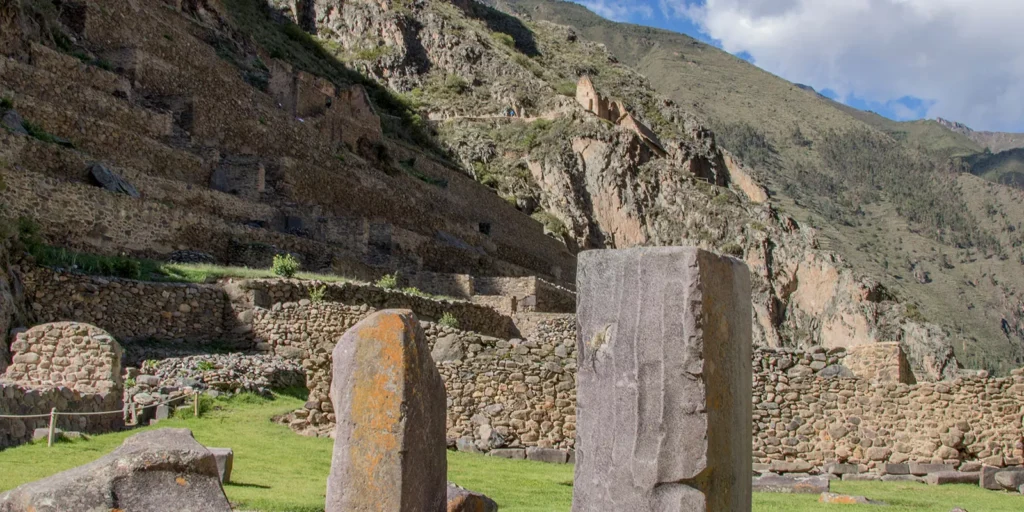
Respect the Archaeological Sites
The Inca Trail is both a trekking route and an important cultural heritage network.
Visitors must not:
- Climb ancient walls
- Remove stones
- Touch fragile structures unnecessarily
- Leave the marked path
- Write on surfaces
- Enter restricted areas
- Damage vegetation
- Move archaeological objects
Follow the guide’s instructions at every archaeological site.
Learn About the Sites Along the Route
The journey is not only about reaching Machu Picchu.
Important archaeological sites may include:
- Patallaqta
- Runkurakay
- Sayacmarca
- Qonchamarca
- Phuyupatamarca
- Intipata
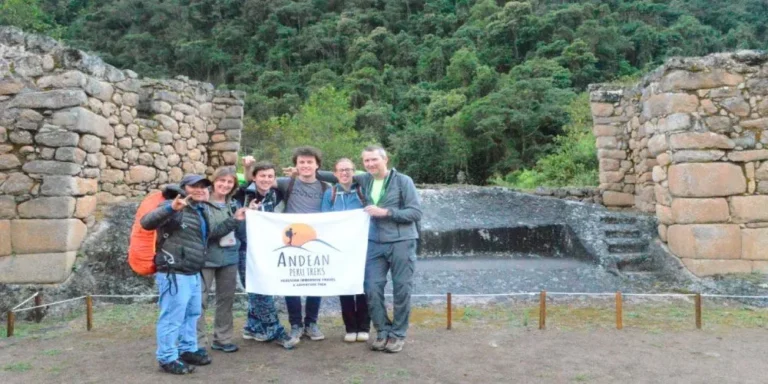
- Wiñay Wayna
- Intipunku
Understanding these places makes the trek more meaningful.
Ask your guide about:
- Architecture
- Agriculture
- Ceremonial functions
- Water systems
- Road organization
- Inca communication
- Settlement patterns
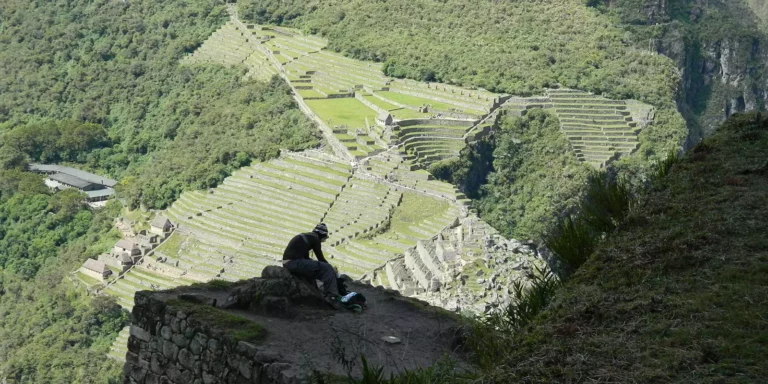
Do Not Rush Through Wiñay Wayna
Wiñay Wayna is one of the most impressive archaeological sites on the route.
Its terraces, stairways, fountains and buildings are located dramatically on the mountainside.
Many travelers consider it a highlight of the trek.
Take time to appreciate:
- Agricultural terraces
- Water channels
- Ceremonial fountains
- Residential structures
- Mountain views
- Engineering techniques
The experience of the Inca Trail would be incomplete if every site were treated only as a quick photo stop.
Manage Expectations at the Sun Gate
Arriving at Intipunku is one of the most anticipated moments of the trek.
However, views may be affected by:
- Clouds
- Mist
- Rain
- Bright sunlight
- Other hikers
- Seasonal vegetation
Machu Picchu may not appear instantly under a perfectly clear sky.
Be patient and appreciate the significance of arriving through the ancient entrance.
Keep Your Camera Accessible
The trail offers constant photography opportunities.
Keep your camera or phone protected but easy to reach.
You may want to photograph:
- Mountain passes
- Stone stairways
- Archaeological sites
- Orchids
- Cloud forest
- Campsites
- Sunrises
- Porters
- Llamas
- Machu Picchu from Intipunku
Always ask permission before taking close photographs of guides, porters or local residents.
Protect Electronic Equipment
Use:
- Waterproof case
- Sealed bag
- Dry cloth
- Portable charger
- Spare battery
- Backpack rain cover
Cold temperatures can reduce battery performance.
Keep batteries close to your body during cold evenings and avoid leaving electronics exposed inside a damp tent.
Bring a Portable Charger
There are normally limited opportunities to charge electronic devices during the trek.
A portable charger is useful for:
- Phone
- Camera
- Watch
- Headlamp
- Emergency communication
Use airplane mode when possible to conserve battery.
Carry a Headlamp
A headlamp is more practical than using a phone flashlight.
It is useful for:
- Moving around camp
- Early departures
- Finding the restroom
- Organizing your tent
- Nighttime emergencies
Bring spare batteries or ensure it is fully charged before departure.
Keep Toiletries Simple
Carry only essential personal-care products.
Useful items include:
- Toothbrush
- Small toothpaste
- Toilet paper
- Hand sanitizer
- Biodegradable wipes
- Sunscreen
- Lip balm
- Small towel
- Personal hygiene products
Avoid bringing large bottles.
Do not leave wipes, toilet paper or hygiene products on the trail.
Expect Basic Campsite Facilities
The Inca Trail is a trekking experience, not a luxury hotel stay.
Depending on the campsite, facilities may be simple.
Travelers should prepare for:
- Basic toilets
- Limited privacy
- Cold water
- No regular showers
- Uneven camping surfaces
- Early mornings
- Shared spaces
A positive attitude makes these conditions easier to manage.
Bring Toilet Paper and Hand Sanitizer
Carry your own supply in a waterproof bag.
Do not assume every campsite restroom will have paper or soap.
Dispose of waste according to your guide’s instructions.
Sleep as Much as Possible
Rest is essential because walking days begin early.
To improve sleep:
- Change into dry clothing
- Use earplugs
- Wear a warm hat
- Organize your bag before dark
- Keep essential items nearby
- Avoid excessive caffeine late in the day
- Use the restroom before sleeping
Camping sleep may not be perfect, but even partial rest helps recovery.
Prepare for Early Mornings
The trekking team may wake the group before sunrise.
Early departures help:
- Avoid midday heat
- Reach passes safely
- Manage archaeological schedules
- Coordinate campsites
- Arrive at checkpoints on time
- Reach Machu Picchu according to the itinerary
Pack your backpack and organize clothing the night before.
Do Not Overload Your Schedule Before the Trek
Avoid completing an exhausting excursion immediately before starting the Inca Trail.
Activities such as Rainbow Mountain or Humantay Lake can leave travelers tired before the trek begins.
The day before departure should ideally include:
- Final equipment check
- Light walking
- Hydration
- Healthy meals
- Early sleep
- Tour briefing
Attend the Pre-Trek Briefing
The briefing is an important part of the preparation process.
During the meeting, the operator may explain:
- Pickup time
- Daily itinerary
- Packing requirements
- Weather
- Campsites
- Meals
- Porter luggage
- Sleeping bag rental
- Emergency procedures
- Machu Picchu entrance
- Return transportation
Use the briefing to ask any remaining questions.
Confirm What Is Included
Before departure, verify whether the package includes:
- Inca Trail permit
- Machu Picchu entrance
- Professional guide
- Transportation
- Meals
- Tents
- Porters
- Cooking equipment
- Bus from Machu Picchu
- Return train
- Transfer to Cusco
- Sleeping bag
- Walking poles
- Drinking water
- Personal porter allowance
Do not assume all companies include the same services.
Carry Some Cash
Cash may be useful for:
- Tips
- Snacks
- Drinks
- Small purchases
- Optional services
- Restrooms before entering the trail
- Expenses in Aguas Calientes
Carry small Peruvian sol banknotes in a waterproof pouch.
There are no normal banking facilities along the trail.
Check Travel Insurance Coverage
Travel insurance can be useful for an Inca Trail trip.
Review whether the policy covers:
- High-altitude trekking
- Medical emergencies
- Evacuation
- Trip cancellation
- Delays
- Lost luggage
- Missed connections
Some policies have altitude limitations, so read the conditions carefully.
Choose the Best Season
The Inca Trail can generally be completed during much of the year, except during the annual February closure.
Dry Season
The dry season usually provides:
- Clearer skies
- Lower rainfall
- Colder nights
- Busier trails
- Higher demand
Rainy Season
Wet-season trekking may provide:
- Greener landscapes
- Fewer hikers during some periods
- Rain
- Mud
- Cloudy views
- Slippery stones
No season guarantees perfect weather.
Remember the February Closure
The official Inca Trail network normally closes throughout February for conservation and maintenance.
During this period, work may include:
- Trail restoration
- Archaeological conservation
- Drainage cleaning
- Campsite maintenance
- Vegetation control
- Environmental monitoring
- Safety inspections
Machu Picchu may remain accessible by train, but official Inca Trail treks do not normally operate during February.
Prepare for Changing Weather
The route passes through different ecological zones.
In a single trek, travelers may experience:
- Strong sunlight
- Cold wind
- Rain
- Mist
- Warm cloud forest
- Cold mountain passes
- Humidity
- Rapid temperature changes
Carry rain and cold-weather protection every day, even when the morning is clear.
Keep the Trail Clean
Follow responsible travel practices.
Do not leave:
- Plastic bottles
- Food packaging
- Toilet paper
- Wet wipes
- Batteries
- Cigarette waste
- Organic waste
- Clothing
Carry personal waste until it can be disposed of correctly.
The Inca Trail is a protected cultural and natural environment.
Avoid Single-Use Plastics
Use reusable items whenever possible.
Consider bringing:
- Reusable water bottle
- Refillable toiletry containers
- Reusable snack bags
- Durable rain protection
- Rechargeable batteries
Reducing waste helps protect the trail and surrounding ecosystems.
Be Flexible
Weather, group pace and trail conditions can affect the daily schedule.
Your guide may adjust:
- Break times
- Meal times
- Campsite arrival
- Walking pace
- Archaeological explanations
- Departure times
Flexibility helps the group respond safely and efficiently.
Common Inca Trail Mistakes
Avoid these common errors:
- Booking too late
- Entering passport details incorrectly
- Arriving without acclimatization
- Wearing new hiking shoes
- Packing too much
- Training only on flat terrain
- Ignoring downhill preparation
- Carrying inadequate rain protection
- Forgetting sun protection
- Exceeding porter weight limits
- Hiding altitude symptoms
- Walking too quickly on the first day
- Bringing insufficient warm clothing
- Expecting luxury campsite facilities
- Treating the trek as a competition
Suggested Packing List
Documents
- Original passport
- Inca Trail reservation details
- Travel insurance information
- Emergency contact details
Clothing
- Breathable hiking shirts
- Quick-drying trousers
- Warm fleece
- Insulated jacket
- Waterproof jacket
- Thermal clothing
- Hiking socks
- Gloves
- Warm hat
- Sun hat
- Sleeping clothes
Footwear
- Tested hiking shoes
- Camp shoes or lightweight sandals
- Extra laces
- Blister treatment
Equipment
- Daypack
- Rain cover
- Sleeping bag
- Walking poles
- Headlamp
- Reusable water bottle
- Portable charger
- Waterproof bags
Personal Items
- Sunscreen
- Sunglasses
- Insect repellent
- Toothbrush
- Toilet paper
- Hand sanitizer
- Personal medication
- Small towel
- Snacks
Final Recommendations
The Inca Trail is challenging, but good preparation makes the experience safer and more enjoyable.
The most important tips are:
- Book your permit early.
- Check your passport information carefully.
- Spend at least two days acclimatizing.
- Train on stairs and uneven terrain.
- Wear tested hiking shoes.
- Pack light.
- Dress in layers.
- Carry proper rain protection.
- Use walking poles.
- Stay hydrated.
- Respect porter weight limits.
- Inform your guide about health symptoms.
- Follow archaeological and environmental rules.
- Keep a steady pace.
- Enjoy the entire trail, not only Machu Picchu.
The Inca Trail is more than a route to a famous destination. It is a journey through Andean landscapes, ancient engineering, archaeological sites and living cultural heritage.
By preparing properly and hiking responsibly, travelers can appreciate every stage of the route and arrive at Machu Picchu with a deeper understanding of the extraordinary world created by the Incas.

Deja un comentario