
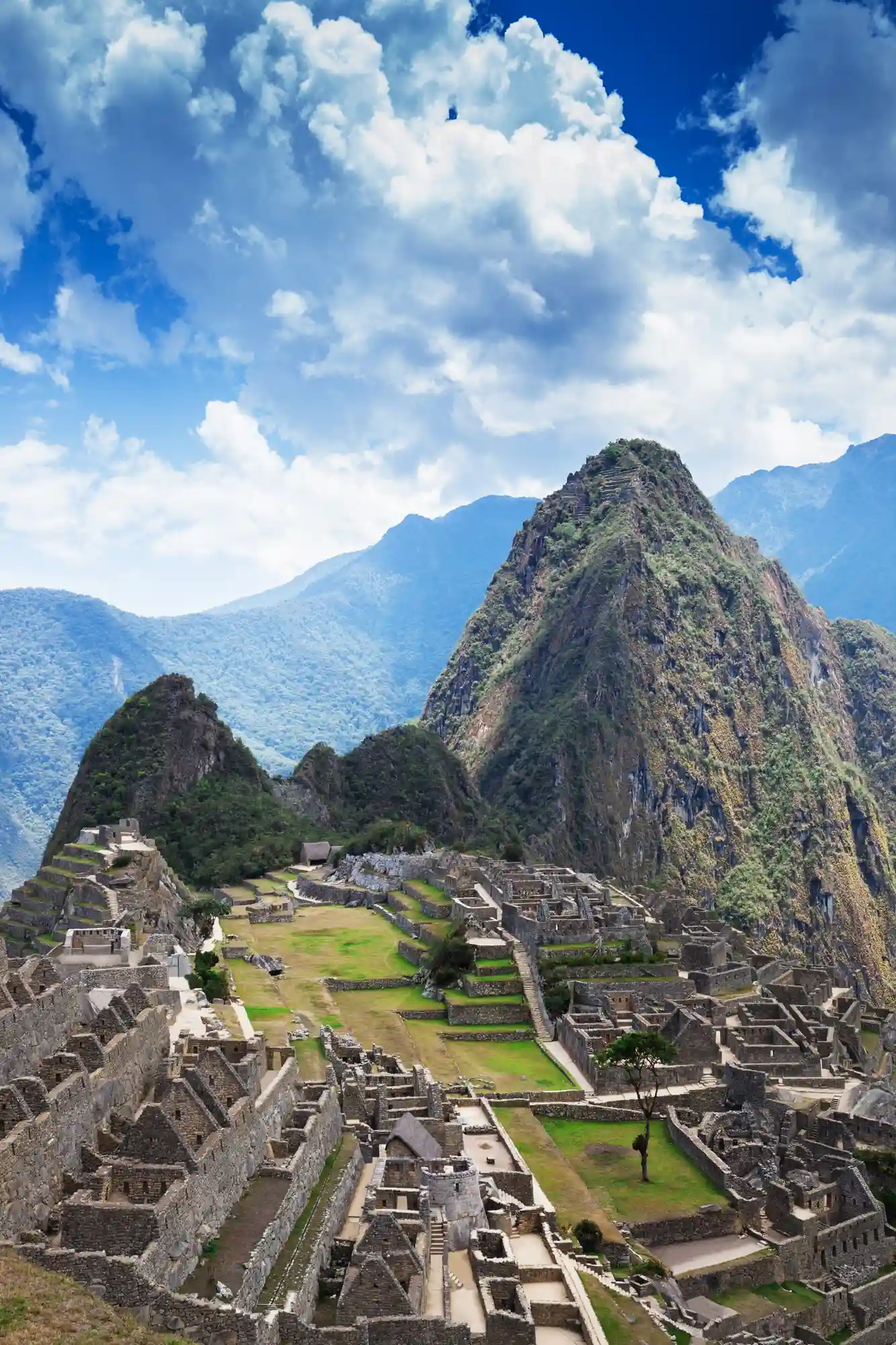

Machu Picchu Entrances: Complete Guide to Tickets, Circuits and Routes
Visiting Machu Picchu is one of the most memorable experiences you can have in Peru. However, choosing the correct entrance ticket can be confusing because there is no longer a single general route through the archaeological site.
Every Machu Picchu entrance is connected to a specific circuit, route, date and entry time. The ticket you choose determines which viewpoints, archaeological sectors and mountains you will be allowed to visit.
Since June 2024, the official entrance system has consisted of three main circuits divided into ten different routes. Some focus on panoramic views, others explore the archaeological city, and several include additional hikes such as Machu Picchu Mountain or Huayna Picchu. (Machupicchu)
This guide explains the different Machu Picchu entrances, what each circuit offers and how to select the best ticket for your visit.
How Do Machu Picchu Entrances Work?
A Machu Picchu ticket is issued for:
- A specific visitor
- A specific date
- A designated entrance time
- One circuit and route
- A limited period inside the archaeological site
Visitors must follow the route printed on their ticket. It is not normally possible to leave the marked path, move freely between circuits or enter areas that are not included in the selected route.
The circuits were created to organize visitor movement and protect the archaeological structures, terraces and natural environment of Machu Picchu.
The Three Machu Picchu Circuits
The current entrance system is organized into the following categories:
- Circuit 1 – Panoramic Circuit
- Circuit 2 – Machu Picchu Classic Circuit
- Circuit 3 – Machu Picchu Royalty Circuit
Together, these circuits include ten routes. Four of them are available only during the officially designated high season. (Machupicchu)
Circuit 1: Panoramic Machu Picchu Entrances
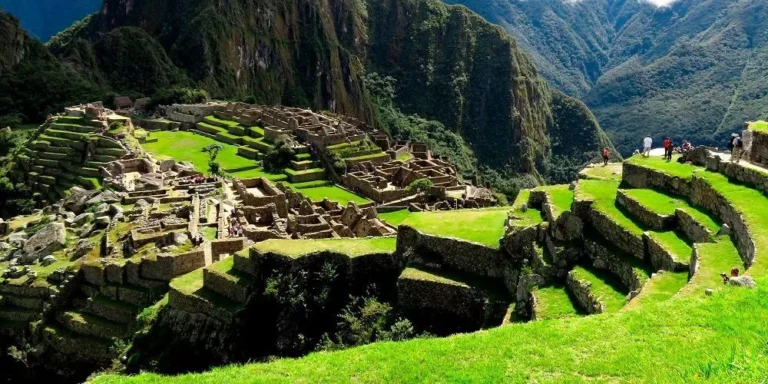
Circuit 1 concentrates on the upper terraces and panoramic viewpoints overlooking the Inca city. It is generally the best category for travelers who want the famous postcard view of Machu Picchu.
These routes provide excellent photography opportunities, but they do not offer the same extended exploration of the lower archaeological sectors as Circuit 2.
Route 1-A: Machu Picchu Mountain
This entrance combines the panoramic sector of Machu Picchu with the hike to Machu Picchu Mountain.
The mountain rises above the archaeological site and provides wide views of the Inca city, the Urubamba River and the surrounding cloud-forest mountains.
This route is recommended for:
- Experienced hikers
- Travelers looking for panoramic scenery
- Visitors with good physical condition
- People who prefer a longer mountain experience
- Travelers who want an alternative to Huayna Picchu
The trail contains numerous stone steps and a considerable elevation gain. The complete experience can take several hours, so visitors should carry water, sun protection and suitable walking shoes.
The official regulations allow additional time for the mountain hike compared with the shorter panoramic routes.
Route 1-B: Upper Terrace
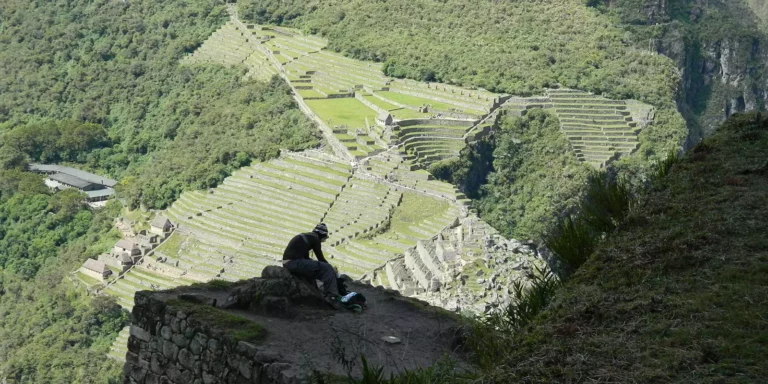
Route 1-B is known as the Upper Terrace Route. It provides access to the elevated agricultural terraces from which visitors can obtain one of the most recognizable views of Machu Picchu.
This entrance is a good option for:
- Visitors interested mainly in the classic photograph
- Travelers who prefer a shorter route
- Families with limited time
- Visitors who do not want an additional mountain hike
- People combining Machu Picchu with an afternoon train
The official route map indicates a maximum visit of approximately two hours and thirty minutes.
Although this route offers remarkable views, it focuses primarily on the upper panoramic area rather than an extensive visit through the central urban sectors.
Route 1-C: Intipunku Gate
Route 1-C leads toward Intipunku, commonly known as the Sun Gate.
Intipunku was an important entrance to Machu Picchu and is also the point from which travelers completing the Classic Inca Trail first see the archaeological site.
This route offers:
- Elevated views of Machu Picchu
- A section of the historic Inca Trail
- A scenic walk through the surrounding mountains
- A different perspective of the archaeological complex
- Excellent landscape photography opportunities
The walk to Intipunku and back takes approximately two hours, while the official route allows a longer total visit. Route 1-C is available only during high season. (Machupicchu)
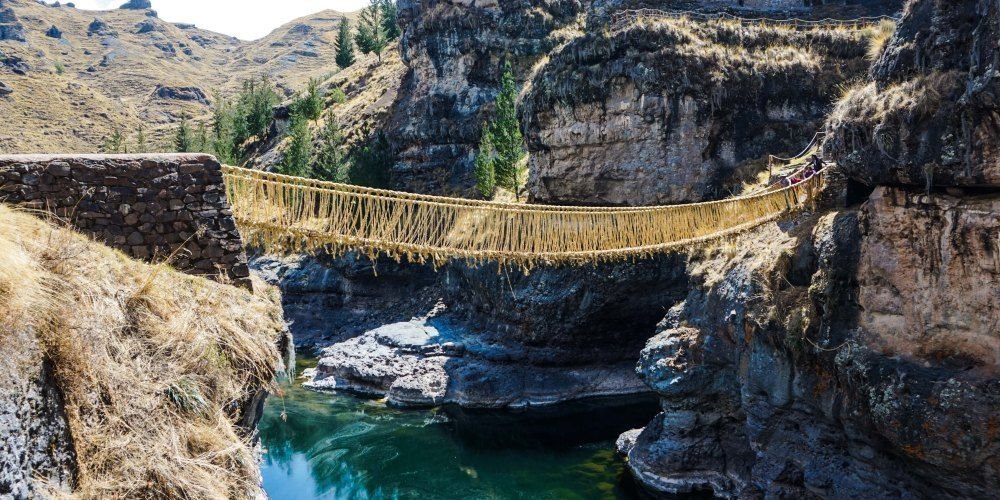
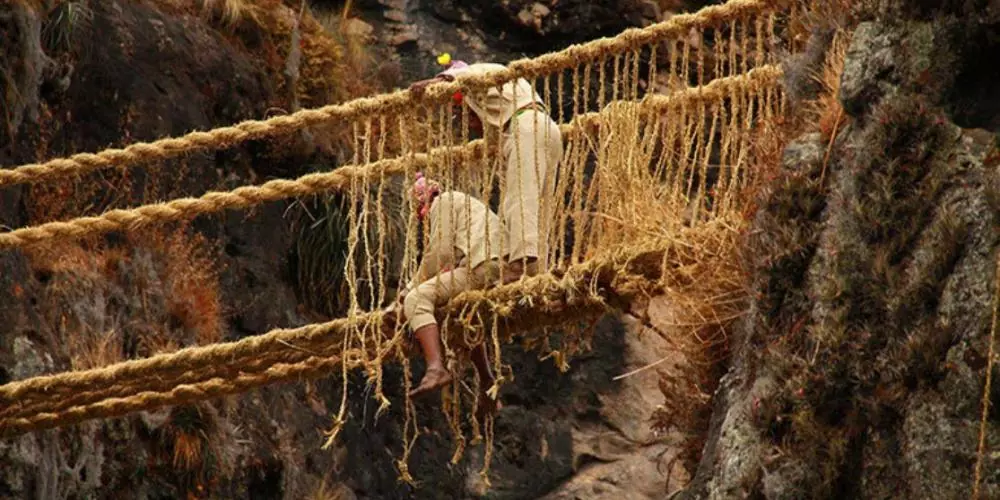
Route 1-D: Inca Bridge
This route combines the panoramic area with a walk toward the Inca Bridge.
The bridge is part of a narrow trail constructed along a steep mountainside. Visitors do not cross the bridge, but they can observe the structure from the designated viewing area.
Route 1-D is suitable for:
- Travelers interested in Inca engineering
- Visitors seeking a short additional walk
- People who want panoramic views without climbing a mountain
- Travelers looking for a less demanding alternative to Route 1-A
The walk from the upper agricultural sector to the bridge and back takes approximately one hour. This entrance is offered only during the official high season. (Machupicchu)
Circuit 2: Classic Machu Picchu Entrances
Circuit 2 is generally the most complete option for first-time visitors. It combines elevated viewing areas with a longer walk through the archaeological city.
These routes allow travelers to appreciate the overall layout of Machu Picchu while visiting important ceremonial, residential and agricultural sectors.
Because Circuit 2 is extremely popular, tickets often sell out earlier than tickets for other circuits.
Route 2-A: Classic Designed Route
Route 2-A follows a carefully organized path through the classic sectors of Machu Picchu.
It is recommended for travelers who want:
- A traditional Machu Picchu experience
- Panoramic views and archaeological areas
- A guided explanation of Inca history
- A balanced route through the upper and lower sectors
- A complete first visit to the citadel
This is one of the strongest options for visitors who plan to enter Machu Picchu only once.
Route 2-B: Lower Terrace
Route 2-B begins from a slightly lower viewing platform but continues through much of the archaeological city.
The official map includes sectors associated with the ceremonial plazas, Sacred Rock, eastern storehouses, Water Mirrors, Temple of the Condor and other important areas. Its maximum indicated visit is approximately two hours and thirty minutes. (Machupicchu)
This route is appropriate for:
- First-time visitors
- Travelers interested in archaeology
- Visitors who want a guided cultural experience
- People who prefer a lower panoramic platform
- Travelers unable to obtain Route 2-A
Both Circuit 2 routes are popular because they provide a balanced combination of scenery, history and Inca architecture.
Circuit 3: Machu Picchu Royalty Entrances
Circuit 3 explores the lower portion of the archaeological complex, particularly sectors traditionally associated with ceremonial and royal activities.
Depending on the selected ticket, visitors may also hike Huayna Picchu, Huchuy Picchu or the route toward the Great Cavern.
Route 3-A: Huayna Picchu Mountain
Route 3-A includes entrance to Huayna Picchu, the steep mountain that appears behind Machu Picchu in many classic photographs.
The hike is famous for:
- Steep Inca stairways
- Narrow mountain paths
- Dramatic views over Machu Picchu
- A challenging ascent
- Archaeological structures located on the mountain
This route is recommended for adventurous travelers with good physical condition who are comfortable with heights and steep steps.
Tickets are limited and frequently sell out months in advance. Travelers interested in Huayna Picchu should reserve as early as possible.
Route 3-B: Royalty Designed Route
Route 3-B focuses on the lower archaeological sectors of Machu Picchu without including an additional mountain.
This entrance is suitable for:
- Visitors interested in Inca architecture
- Travelers who prefer fewer uphill sections
- People completing the Short Inca Trail
- Visitors entering through the lower section
- Travelers who do not require the classic upper-terrace photograph
This circuit offers an interesting archaeological experience, although it does not normally provide the same elevated postcard viewpoint associated with Circuit 1 or Circuit 2.
Route 3-C: Great Cavern
Route 3-C combines the Royalty Circuit with the long hike toward the Great Cavern, sometimes associated with the Temple of the Moon.
The route is physically demanding and takes visitors through steep, forested terrain below Huayna Picchu.
It is recommended for:
- Experienced hikers
- Travelers seeking a less conventional route
- Visitors interested in remote archaeological structures
- People prepared for a long excursion
- Travelers with sufficient time in their itinerary
The official map establishes a maximum stay of approximately seven hours. This route operates only during high season. (Machupicchu)
Route 3-D: Huchuy Picchu
Huchuy Picchu is a smaller mountain located near Huayna Picchu. Its trail is shorter and generally less demanding than the Huayna Picchu ascent.
The route offers:
- Elevated views over the archaeological site
- A short mountain adventure
- Stone steps and narrow trails
- A good alternative when Huayna Picchu is unavailable
- A moderate physical challenge
The official maximum stay is approximately three hours and thirty minutes. Route 3-D is available only during high season. (Machupicchu)
Which Machu Picchu Entrance Is Best?
The best entrance depends on what you would like to experience.
Best Entrance for the Classic Machu Picchu Experience
Choose:
- Route 2-A
- Route 2-B
These routes provide the most balanced combination of panoramic views and archaeological exploration.
Best Entrance for the Famous Machu Picchu Photograph
Choose:
- Route 1-B
- Route 1-A
- Route 2-A
Circuit 1 focuses on the elevated terraces where the most recognizable panoramic photographs are taken.
Best Entrance for Adventure
Choose:
- Route 3-A: Huayna Picchu
- Route 1-A: Machu Picchu Mountain
- Route 3-C: Great Cavern
These routes include longer or steeper hikes and require better physical condition.
Best Entrance for a Short Visit
Choose:
- Route 1-B
- Route 3-B
- Route 3-D
These options are useful for visitors with limited time or those who do not want a long mountain hike.
Best Alternative When Circuit 2 Is Sold Out
Consider:
- Route 1-B for panoramic views
- Route 3-B for archaeological areas
- Route 3-A for Huayna Picchu
- Route 1-A for Machu Picchu Mountain
Remember that Circuit 1 and Circuit 3 provide different experiences. Neither one follows exactly the same path as Circuit 2.
Machu Picchu High Season in 2026
For 2026, the maximum daily capacity increases to 5,600 visitors on the following dates:
- January 1
- April 2–5
- June 19–November 2
- December 30–31
These periods also allow the operation of seasonal routes such as Intipunku, Inca Bridge, Great Cavern and Huchuy Picchu. (Gobierno del Perú)
Even with the increased capacity, the most popular tickets—especially Circuit 2 and Huayna Picchu—can sell out well in advance.
How to Buy Machu Picchu Entrance Tickets
Online tickets are sold through the official Peruvian government platform managed by the Ministry of Culture. Visitors must select the date, time, circuit and route before completing the reservation. (Machupicchu)
To purchase a ticket, you will normally need:
- Full name
- Nationality
- Date of birth
- Passport or identification number
- Preferred date
- Preferred entrance time
- Selected circuit and route
The information entered during the reservation should match the document presented at the entrance.
In-Person Machu Picchu Tickets
The Ministry of Culture also provides a limited number of tickets for in-person purchase in Machu Picchu Pueblo, also known as Aguas Calientes.
The official system allocates up to 1,000 daily tickets for sale through the local ticket office. However, availability is not guaranteed, and travelers may need to follow registration and queue procedures in Machu Picchu Pueblo. (Machupicchu)
Depending entirely on local tickets is risky, especially during:
- June through October
- Christmas and New Year
- Easter holidays
- Peruvian national holidays
- Weekends
- Peak international travel periods
Booking online in advance is the safest option.
Entrance Times and Late-Arrival Tolerance
Visitors must enter during the time indicated on their ticket.
The official tolerance is:
- 30 minutes during regular season
- 45 minutes during high season
After this period, entrance may be refused unless the delay resulted from a documented emergency or force-majeure event, such as an unexpected train cancellation, road closure, accident or natural disaster. (Cultura Cusco)
Travelers should arrive at the main entrance early enough to pass through the document and ticket controls.
What to Bring to the Machu Picchu Entrance
Visitors should carry:
- Printed or digital entrance ticket
- Original passport or identification document
- Small backpack
- Comfortable walking shoes
- Lightweight rain jacket
- Sun hat
- Sunscreen
- Insect repellent applied before entering
- Personal medication
- Drinking water in a reusable container
A passport, foreign resident card or national identification document is required to confirm the visitor’s identity and ticket information. (Gobierno del Perú)
Important Machu Picchu Entrance Rules
The archaeological site has strict conservation regulations.
Visitors may not enter with:
- Backpacks larger than 40 × 35 × 20 centimetres
- Food or eating utensils
- Alcoholic drinks
- Umbrellas
- Tripods or selfie sticks
- Large camera supports
- Aerosols
- Musical instruments or speakers
- Baby strollers
- Advertising materials
- Drones
- Weapons or sharp objects
Visitors must not smoke, vape, climb on archaeological walls, touch stone structures, leave the established route or disturb wildlife. Breaking the rules may result in immediate removal without a refund. (Machupicchu)
Can You Visit More Than One Circuit?
A single entrance ticket permits access only to the circuit and route printed on that ticket.
Travelers who want to experience two different areas should purchase two separate tickets. For example:
- Circuit 2 in the morning and Circuit 1 in the afternoon
- Circuit 2 on the first day and Huayna Picchu the following day
- Circuit 1-B for photographs and Circuit 3-B for archaeology
When booking two entrances on the same day, allow enough time between the scheduled entry hours.
Should You Visit Machu Picchu With a Guide?
A professional guide can explain the history, architecture, religious significance and engineering of the site. Guides also help visitors follow the correct route and use the limited visiting time efficiently.
A guided visit is especially valuable for:
- First-time visitors
- Families
- Educational groups
- Travelers interested in Inca history
- Visitors using Circuit 2 or Circuit 3
Mountain routes also benefit from proper preparation and clear instructions regarding control points and return times.
Final Recommendations
Choosing the correct Machu Picchu entrance is one of the most important parts of planning your trip.
Before booking, consider:
- Whether you want panoramic views or archaeological exploration
- Your physical condition
- The amount of time available
- Whether you want to hike a mountain
- The location of the classic photo viewpoint
- Seasonal route availability
- Your train and bus schedules
For a complete first visit, Circuit 2 is usually the preferred option. For photography, Circuit 1 provides the best panoramic experience. For mountain adventures, Huayna Picchu and Machu Picchu Mountain are the main choices.
Entrance regulations, availability and seasonal dates may be updated by the Peruvian Ministry of Culture. Always confirm the current conditions before finalizing your transportation and travel itinerary.

Deja un comentario