
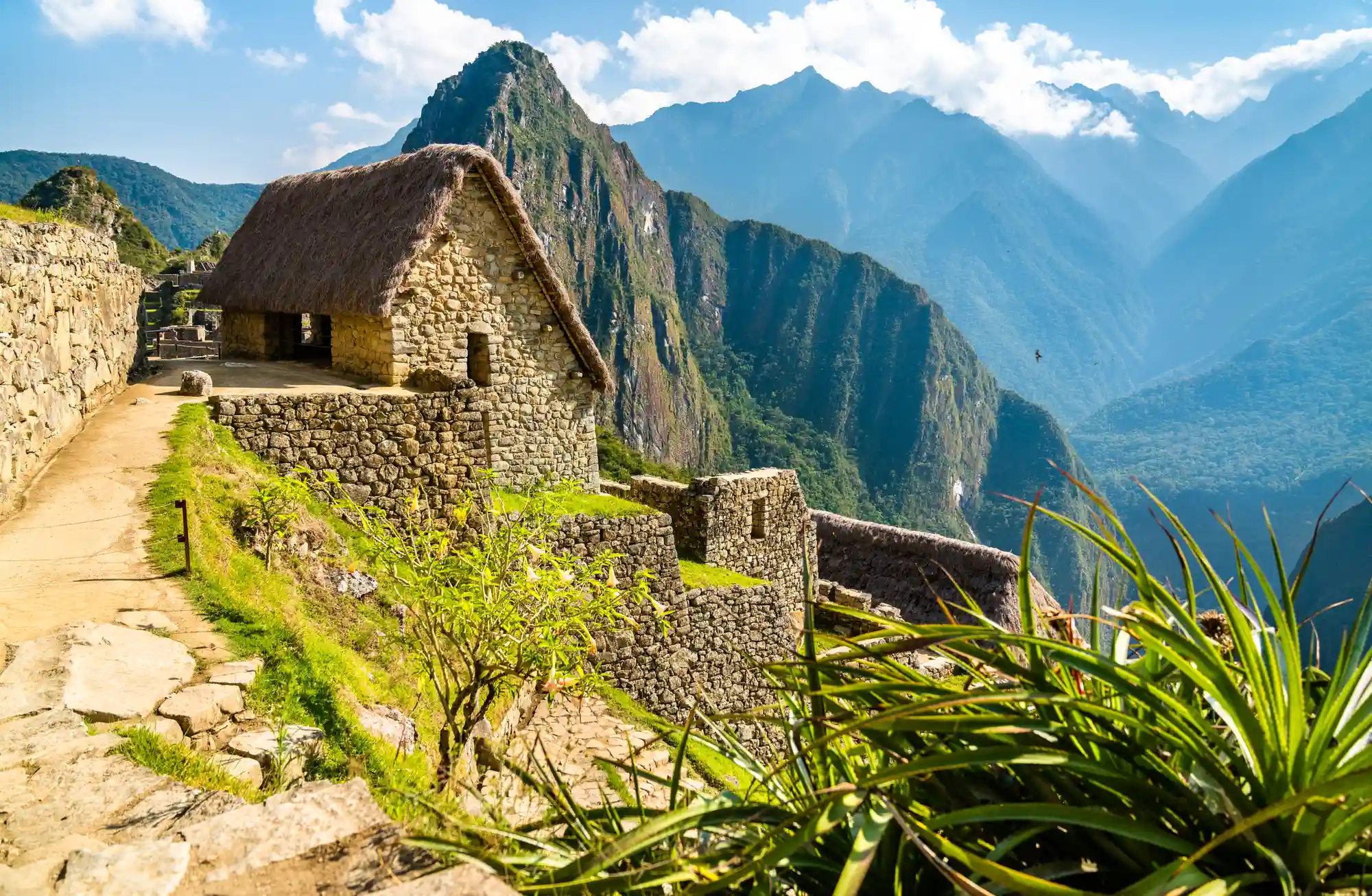
How to Visit Machu Picchu in 2027: Complete Travel Guide
Visiting Machu Picchu in 2027 requires more planning than simply choosing a travel date and purchasing a train ticket. Entrance tickets are connected to specific circuits, routes, schedules and visitor names, while the most popular options can sell out months in advance.
Travelers must coordinate several separate elements:
- Machu Picchu entrance tickets
- The correct circuit and route
- Transportation from Cusco or the Sacred Valley
- Train tickets or trekking permits
- Accommodation in Cusco, Ollantaytambo or Aguas Calientes
- Bus transportation to the archaeological site
- A professional guide
- Return transportation
This complete guide explains how to organize a Machu Picchu trip in 2027, from choosing the best entrance circuit to deciding whether to visit in one day or stay overnight in Aguas Calientes.
Important Information About Machu Picchu Tickets for 2027
As of July 22, 2026, the Peruvian Ministry of Culture had not yet published the complete reservation calendar, entrance capacity or final operating conditions for Machu Picchu in 2027.
Official information for the following year is normally announced during the final months of the previous year. The government has stated that the periods of maximum visitor capacity are generally established before October 31, while advance sales for 2026 opened on November 17, 2025. Therefore, travelers planning a 2027 visit should watch for official announcements between October and December 2026. (Gobierno del Perú)
Until the 2027 rules are published, travelers should not assume that:
- Current prices will remain unchanged
- All circuits will operate on the same dates
- Seasonal routes will follow the same calendar
- Daily visitor capacities will remain identical
- Tickets will be released on the same date as in previous years
- Train, bus or entrance schedules will remain unchanged
The safest approach is to prepare your preferred travel dates and routes in advance, then complete the reservation as soon as the official 2027 ticket calendar opens.
Step 1: Choose the Best Time to Visit Machu Picchu
Machu Picchu can normally be visited throughout the year, but weather, visibility, demand and trail conditions vary considerably between seasons.
Visiting During the Dry Season
The dry season generally extends from approximately April to October.
This period is popular because travelers usually experience:
- Clearer mountain views
- Lower probability of prolonged rain
- Better trekking conditions
- Drier archaeological paths
- Colder mornings and evenings
- High demand for tickets and trains
June, July and August are among the busiest months. Travelers planning to visit during this period should reserve as early as possible.
The dry season is especially suitable for:
- The Classic Inca Trail
- The Salkantay Trek
- Machu Picchu Mountain
- Huayna Picchu
- Intipunku
- The Inca Bridge
- Photography-focused trips
However, clear weather is never guaranteed in the cloud forest surrounding Machu Picchu.
Visiting During the Rainy Season
The rainy season generally extends from November to March.
During this period, travelers can expect:
- Greener vegetation
- Atmospheric clouds and mist
- More frequent rain
- Slippery trails
- Warmer nights
- Reduced visibility on some days
- Fewer visitors during certain weeks
Rain does not always continue throughout the entire day. Many days begin with clear or partially cloudy conditions before showers develop later.
Travelers visiting during the rainy season should bring waterproof clothing and avoid creating an itinerary with extremely tight transportation connections.
Best Months for Balanced Conditions
April, May, September and October can provide a good balance between weather and visitor demand.
These months may offer:
- Relatively good weather
- Green landscapes
- Fewer visitors than the peak months
- Suitable trekking conditions
- Better accommodation availability
Nevertheless, popular Circuit 2 and Huayna Picchu tickets can still sell out well in advance.
Step 2: Decide How Many Days You Need
Machu Picchu can be visited in one day from Cusco, but this is not always the most comfortable option.
One-Day Machu Picchu Tour
A full-day trip usually includes:
- Early transportation from Cusco to the train station
- Train travel to Aguas Calientes
- Bus transportation to Machu Picchu
- Guided visit
- Bus back to Aguas Calientes
- Return train
- Transportation back to Cusco
This option is suitable for:
- Travelers with limited time
- Visitors who do not want to change hotels
- People with a confirmed entrance and train schedule
- Travelers who prefer an organized package
The main disadvantage is that the day can be long and transportation must be carefully coordinated.
Two-Day Machu Picchu Tour
A two-day itinerary normally includes one night in Aguas Calientes.
This option provides:
- A more relaxed journey
- More time in Aguas Calientes
- Easier access to an early entrance
- Less pressure around train schedules
- More time to rest before visiting
- Greater flexibility if transportation is delayed
A common itinerary is:
Day 1
- Travel from Cusco to Ollantaytambo
- Take the train to Aguas Calientes
- Check into the hotel
- Meet the guide
- Explore the town
- Rest overnight
Day 2
- Take the bus to Machu Picchu
- Complete the selected circuit
- Return to Aguas Calientes
- Take the train to Ollantaytambo
- Return to Cusco
For many first-time visitors, the two-day option provides a more enjoyable experience.
Three-Day Machu Picchu Experience
A three-day itinerary may combine Machu Picchu with the Sacred Valley.
A typical program includes:
Day 1: Sacred Valley
- Pisac
- Urubamba
- Ollantaytambo
- Overnight near the train station
Day 2: Machu Picchu
- Train to Aguas Calientes
- Bus to Machu Picchu
- Guided circuit
- Overnight in Aguas Calientes or return to Ollantaytambo
Day 3: Return to Cusco
- Free morning
- Train and road transportation
- Optional visit to Chinchero
This option is ideal for travelers who want to combine archaeological sites without rushing.
Step 3: Choose the Correct Machu Picchu Circuit
The visitor system currently consists of three main circuits divided into ten routes. This system has been in effect since June 1, 2024, but travelers must verify whether the same structure remains in place for 2027. (Machupicchu.gob.pe)
Every entrance ticket allows access only to the route selected during the reservation.
Visitors cannot normally:
- Change circuits after entering
- Enter areas excluded from their ticket
- Walk freely around the archaeological site
- Return to completed sections
- Leave and re-enter using the same ticket
Circuit 1: Panoramic Circuit
Circuit 1 focuses mainly on the upper terraces and scenic viewpoints.
It is suitable for travelers who prioritize:
- Classic panoramic photographs
- Views over the Inca city
- Mountain scenery
- Shorter archaeological routes
- Additional scenic hikes
Route 1-A: Machu Picchu Mountain
This route combines panoramic areas with the hike to Machu Picchu Mountain.
It is recommended for:
- Active travelers
- Visitors in good physical condition
- People seeking wide mountain views
- Travelers comfortable with long stairways
The hike is generally longer than Huayna Picchu but follows a broader mountain trail.
Route 1-B: Upper Terrace
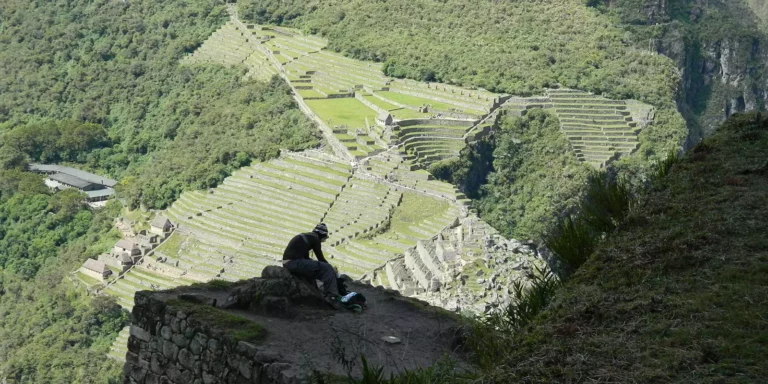
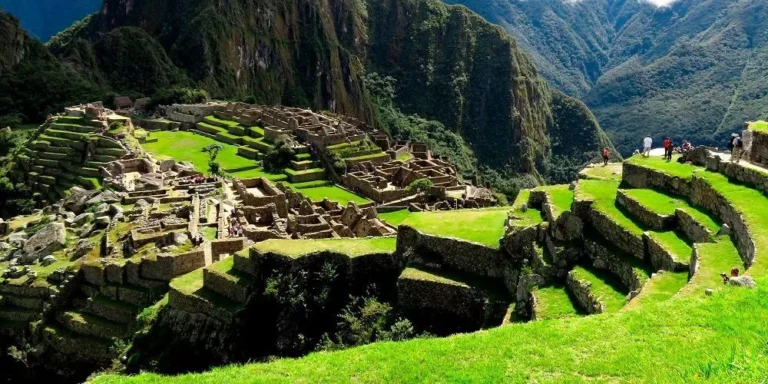
This is one of the best routes for the classic panoramic photograph.
It provides:
- Elevated views
- Agricultural terraces
- A relatively short visit
- Excellent photography opportunities
However, it does not include an extensive exploration of the central archaeological city.
Route 1-C: Intipunku
This route leads toward Intipunku, also known as the Sun Gate.
It is suitable for travelers interested in:
- Inca roads
- Panoramic scenery
- Moderate hiking
- The traditional entrance used by Inca Trail hikers
This route has previously operated seasonally, so its availability for 2027 must be confirmed.
Route 1-D: Inca Bridge
This route combines the panoramic sector with a walk toward the Inca Bridge.
It is appropriate for:
- Visitors interested in Inca engineering
- Travelers seeking a moderate additional walk
- People who do not want to climb a mountain
- Visitors comfortable with narrow mountain paths
The Inca Bridge route may also operate only during designated seasonal periods.
Circuit 2: Classic Machu Picchu Circuit
Circuit 2 is normally the most requested option for first-time visitors.
It provides a combination of:
- Panoramic viewpoints
- Agricultural terraces
- Archaeological buildings
- Ceremonial areas
- Residential sectors
- Inca plazas
- Water channels
Because it offers a balanced experience, Circuit 2 tickets frequently sell out before other routes.
Route 2-A: Classic Designed Route
Route 2-A is one of the strongest choices for a complete first visit.
It normally provides:
- A classic panoramic viewpoint
- A walk through important archaeological areas
- Good opportunities for guided interpretation
- A balanced combination of scenery and history
Route 2-B: Lower Terrace Route
Route 2-B provides a similar archaeological experience but uses a slightly lower panoramic terrace.
It is a good alternative for travelers who cannot obtain Route 2-A.
Choose Route 2-B when you want:
- Panoramic photographs
- Archaeological exploration
- A guided cultural visit
- A complete first-time experience
Circuit 3: Royalty Circuit
Circuit 3 explores the lower archaeological areas and sectors traditionally associated with royal, ceremonial and residential functions.
Some routes include additional mountain hikes.
Route 3-A: Huayna Picchu
This entrance includes the lower circuit and the climb to Huayna Picchu.
The mountain is known for:
- Steep stairways
- Narrow paths
- Dramatic viewpoints
- Archaeological structures
- A physically intense ascent
It is not recommended for travelers who are uncomfortable with heights, steep drops or narrow trails.
Route 3-B: Royalty Designed Route
Route 3-B explores the lower archaeological sector without an additional mountain hike.
It is suitable for:
- Travelers interested in Inca architecture
- Visitors who prefer fewer uphill sections
- Short Inca Trail travelers
- Visitors completing a second Machu Picchu entrance
This route does not normally provide the highest classic viewpoint.
Route 3-C: Great Cavern
This route leads toward the Great Cavern in the Huayna Picchu sector.
It is one of the longest and most demanding options.
Travelers should be prepared for:
- Long descents
- A difficult uphill return
- Forested mountain terrain
- Steep stairways
- An extended visit
Its operation may be restricted to selected high-season dates.
Route 3-D: Huchuy Picchu
Huchuy Picchu is a smaller mountain near Huayna Picchu.
The hike is generally:
- Shorter than Huayna Picchu
- Less demanding than Machu Picchu Mountain
- Suitable for travelers seeking a moderate adventure
- A good option for elevated views
Its 2027 availability must be verified when tickets are released.
Which Circuit Should You Choose?
Best for First-Time Visitors
Choose:
- Route 2-A
- Route 2-B
These options offer the most balanced combination of panoramic and archaeological areas.
Best for the Classic Photograph
Choose:
- Route 1-B
- Route 2-A
- Route 2-B
- Route 1-A
Best for Mountain Adventure
Choose:
- Route 3-A: Huayna Picchu
- Route 1-A: Machu Picchu Mountain
- Route 3-C: Great Cavern
- Route 3-D: Huchuy Picchu
Best When Circuit 2 Is Sold Out
Consider:
- Route 1-B for panoramic views
- Route 3-B for archaeological areas
- Route 1-A for a mountain hike
- Route 3-A for Huayna Picchu
Circuit 1 and Circuit 3 are not identical replacements for Circuit 2. Each provides access to different areas.
Step 4: Purchase Your Entrance Ticket
Official online entrance sales are managed through the Peruvian government’s cultural ticket platform. Tickets are connected to the visitor’s identity, date, entrance time, circuit and route. (Machupicchu.gob.pe)
To make a reservation, travelers will generally need:
- Full name
- Passport number
- Nationality
- Date of birth
- Travel date
- Entrance time
- Circuit and route
- Valid payment method
The information must match the identification document presented at the entrance.
How Early Should You Book for 2027?
The recommended booking time depends on the route and travel season.
Reserve as Soon as Sales Open When You Want
- Circuit 2-A
- Circuit 2-B
- Huayna Picchu
- Machu Picchu Mountain
- June, July or August travel
- Christmas or New Year travel
- Easter holiday travel
- A specific entrance time
- A fixed train itinerary
Travelers with limited flexibility should not wait until arriving in Peru.
Can You Buy Tickets in Aguas Calientes?
The current system provides a limited allocation of 1,000 daily tickets for in-person sale in Machu Picchu Pueblo. These tickets are intended for entry on the following day rather than immediate same-day admission. This procedure may change before 2027 and must be confirmed before relying on it. (Machupicchu.gob.pe)
Depending on local tickets is risky because:
- The preferred circuit may be unavailable
- Travelers may need to wait in Machu Picchu Pueblo
- An additional hotel night may be necessary
- Train reservations may need to be changed
- Availability is not guaranteed
- Peak-season demand can be very high
Advance online booking remains the safer option.
Step 5: Choose How to Reach Machu Picchu
There are several ways to reach Machu Picchu.
By Train
Train travel is the most common option.
A typical route includes:
- Transportation from Cusco to Ollantaytambo
- Train from Ollantaytambo to Aguas Calientes
- Bus from Aguas Calientes to Machu Picchu
Some services may depart from stations closer to Cusco, depending on the operator, route and season.
When selecting a train, consider:
- Departure station
- Departure time
- Luggage restrictions
- Service category
- Arrival time in Aguas Calientes
- Machu Picchu entrance time
- Return schedule
- Road transportation to Cusco
Never purchase an entrance time without confirming that your transportation can arrive early enough.
By the Classic Inca Trail
The Classic Inca Trail is one of the most famous routes to Machu Picchu.
The trek normally includes:
- Several days of hiking
- Archaeological sites
- Mountain passes
- Camping
- Professional guides
- Porters
- Entrance through Intipunku
Access is controlled through limited permits and must be arranged through an authorized operator.
Travelers planning the Classic Inca Trail for 2027 should reserve early, particularly for May through September.
By the Short Inca Trail
The Short Inca Trail provides a shorter trekking experience.
It normally includes:
- Train transportation to the trail entrance
- A one-day hike
- Wiñay Wayna
- Arrival through Intipunku
- Overnight in Aguas Calientes
- Machu Picchu visit
The Ministry of Culture connected Inca Trail access for 2026 with Circuit 3-B. Travelers must verify the circuit assigned to 2027 permits before booking. (Gobierno del Perú)
By the Salkantay Trek
The Salkantay Trek is a popular alternative route through the Andes.
Depending on the itinerary, travelers may experience:
- Salkantay Pass
- High mountain scenery
- Cloud forest
- Local communities
- Hot springs
- Aguas Calientes
- Machu Picchu
Unlike the Classic Inca Trail, the Salkantay route does not normally enter Machu Picchu through the Sun Gate. Travelers arrive in the Machu Picchu area and use a separately reserved entrance ticket.
By Car and Walking Through Hidroeléctrica
Budget travelers sometimes use road transportation to Hidroeléctrica and then walk to Aguas Calientes.
This journey generally involves:
- A long road trip
- Mountain roads
- A walk beside the railway
- Overnight accommodation
- Entrance on the following day
This option is less comfortable than the train and requires more travel time.
It is not advisable to combine the long road journey with a tightly scheduled Machu Picchu entrance on the same day.
Step 6: Stay in Cusco, the Sacred Valley or Aguas Calientes
Staying in Cusco
Cusco is the main tourism center of the region.
It is ideal for:
- Acclimatization
- City tours
- Restaurants
- Museums
- Day trips
- Pre-trek preparation
However, reaching Machu Picchu from Cusco requires an early departure.
Staying in Ollantaytambo
Ollantaytambo is one of the most practical places to stay before taking the train.
Advantages include:
- Easy access to the train station
- A lower altitude than Cusco
- Important archaeological sites
- Less road travel on the departure morning
- A traditional Sacred Valley atmosphere
Staying in Aguas Calientes
Aguas Calientes is the closest town to Machu Picchu.
Staying overnight is recommended for travelers who want:
- An early entrance
- Less rushed transportation
- More time to rest
- A second Machu Picchu ticket
- Greater flexibility
The town has hotels, restaurants, shops, a market and access to the buses departing for Machu Picchu.
Step 7: Travel From Aguas Calientes to Machu Picchu
Most visitors use the bus between Aguas Calientes and the archaeological entrance.
Travelers should allow enough time for:
- Walking to the bus departure area
- Waiting in line
- The journey up the mountain
- Ticket and passport verification
- Meeting the guide
An alternative is to walk from Aguas Calientes to the entrance. The route is steep and includes many stairs.
Walking may be suitable for:
- Physically prepared travelers
- Visitors with sufficient time
- People who begin early
- Travelers without mobility limitations
However, completing the uphill walk before a long circuit or mountain route can be tiring.
Step 8: Hire a Professional Guide
A professional guide helps visitors understand:
- Inca history
- Architecture
- Agricultural terraces
- Ceremonial areas
- Religious traditions
- Construction techniques
- The surrounding landscape
- The purpose of important buildings
A guide can also help visitors follow the correct one-way route and manage the available time.
Guided visits are particularly valuable for Circuit 2 and Circuit 3, where travelers pass through important archaeological sectors.
What Documents Should You Bring?
Visitors should carry:
- Original passport
- Machu Picchu entrance ticket
- Train ticket
- Bus ticket when purchased in advance
- Hotel confirmation
- Guide or agency contact information
- Travel insurance details
The passport number and name should match the information on the reservation.
When renewing a passport after purchasing a ticket, carry the new passport and documentation connected with the previous passport when required.
Machu Picchu Rules
Current regulations prohibit several objects and activities inside the archaeological site.
Restricted items include:
- Large backpacks
- Food and eating utensils
- Alcohol
- Drones
- Tripods
- Selfie sticks
- Large photographic equipment
- Musical instruments
- Speakers
- Weapons
- Aerosols
- Baby strollers
Visitors must not:
- Climb archaeological walls
- Touch protected stone structures
- Leave the established circuit
- Feed wildlife
- Smoke or vape
- Disturb other visitors
- Use the site for unauthorized advertising
The current maximum permitted backpack dimensions are 40 × 35 × 20 centimeters, although travelers should verify the 2027 code of conduct before departure. (Machupicchu.gob.pe)
What to Pack for Machu Picchu
Bring only essential items in a small backpack.
Recommended items include:
- Original passport
- Entrance ticket
- Lightweight rain jacket
- Comfortable walking shoes
- Quick-drying clothing
- Sun hat
- Sunglasses
- Sunscreen
- Insect repellent
- Reusable water bottle
- Personal medication
- Portable charger
- Waterproof document pouch
During the rainy season, also bring:
- Backpack rain cover
- Extra socks
- Waterproof footwear
- Lightweight poncho
For mountain routes, consider:
- Hiking shoes with good grip
- Warm layer
- Gloves during colder months
- Additional water
- Walking poles with protected tips when permitted
Prepare for the Altitude Before Your Visit
Machu Picchu is lower than Cusco, but many journeys begin in high-altitude areas.
Cusco is approximately 3,400 meters above sea level, while some trekking routes and mountain attractions climb considerably higher.
Before a demanding itinerary:
- Spend at least one or two days acclimatizing
- Drink enough water
- Eat light meals
- Avoid excessive alcohol
- Sleep properly
- Begin with easy activities
- Do not schedule a difficult hike immediately after arriving
Travelers with medical conditions affected by altitude should consult a qualified healthcare professional before traveling.
Suggested Machu Picchu Itinerary for 2027
Four-Day Classic Itinerary
Day 1: Arrival in Cusco
- Airport transfer
- Hotel check-in
- Rest
- Light walk around Plaza de Armas
- Early dinner
Day 2: Cusco and Acclimatization
- Qorikancha
- Sacsayhuaman
- Qenqo
- Puka Pukara
- Tambomachay
Day 3: Sacred Valley and Aguas Calientes
- Travel through the Sacred Valley
- Visit Ollantaytambo
- Take the train
- Check into the Aguas Calientes hotel
- Meet the guide
Day 4: Machu Picchu
- Bus to Machu Picchu
- Complete the selected circuit
- Return to Aguas Calientes
- Train to Ollantaytambo
- Transportation to Cusco
Five-Day Relaxed Itinerary
Day 1
Arrival and acclimatization in Cusco.
Day 2
Cusco City Tour.
Day 3
Sacred Valley and overnight in Ollantaytambo.
Day 4
Train to Aguas Calientes and overnight stay.
Day 5
Machu Picchu visit and return to Cusco.
This schedule reduces travel pressure and provides more time to enjoy each destination.
Can You Visit Two Circuits?
Visitors who want to explore two different routes must purchase two separate tickets.
Useful combinations may include:
- Circuit 2 and Circuit 1-B
- Circuit 2 and Huayna Picchu
- Circuit 1-B and Circuit 3-B
- One panoramic route and one archaeological route
The tickets can be scheduled:
- On the same day with sufficient time between them
- On two consecutive days
- Before and after an overnight stay in Aguas Calientes
A two-ticket visit is especially useful when one route does not include both the classic viewpoint and the desired archaeological sectors.
Common Mistakes to Avoid in 2027
Avoid the following planning errors:
- Buying a train before confirming entrance availability
- Choosing a circuit without understanding the route
- Assuming every ticket includes the classic photograph
- Waiting until arrival in Cusco to purchase tickets
- Booking a train that arrives after the entrance time
- Scheduling the return train too soon after the visit
- Entering passport information incorrectly
- Planning a demanding trek without acclimatization
- Depending entirely on in-person tickets
- Assuming seasonal routes operate throughout the year
- Creating tight connections during the rainy season
- Carrying prohibited equipment
Final Recommendations
To visit Machu Picchu successfully in 2027:
- Begin planning during 2026
- Watch for official announcements from October onward
- Choose your circuit before booking transportation
- Reserve popular routes as soon as sales open
- Confirm passport information carefully
- Consider spending one night in Aguas Calientes
- Allow time to acclimatize in Cusco
- Leave enough time between trains and entrance schedules
- Carry waterproof and sun protection
- Use a professional guide
- Reconfirm all regulations before traveling
Machu Picchu is not a destination that should be organized at the last minute. The best entrance circuits, train schedules and trekking permits are limited, particularly during the dry season.
By preparing early and coordinating every part of the journey, visitors can enjoy a well-organized, safe and memorable Machu Picchu experience in 2027.

Deja un comentario