
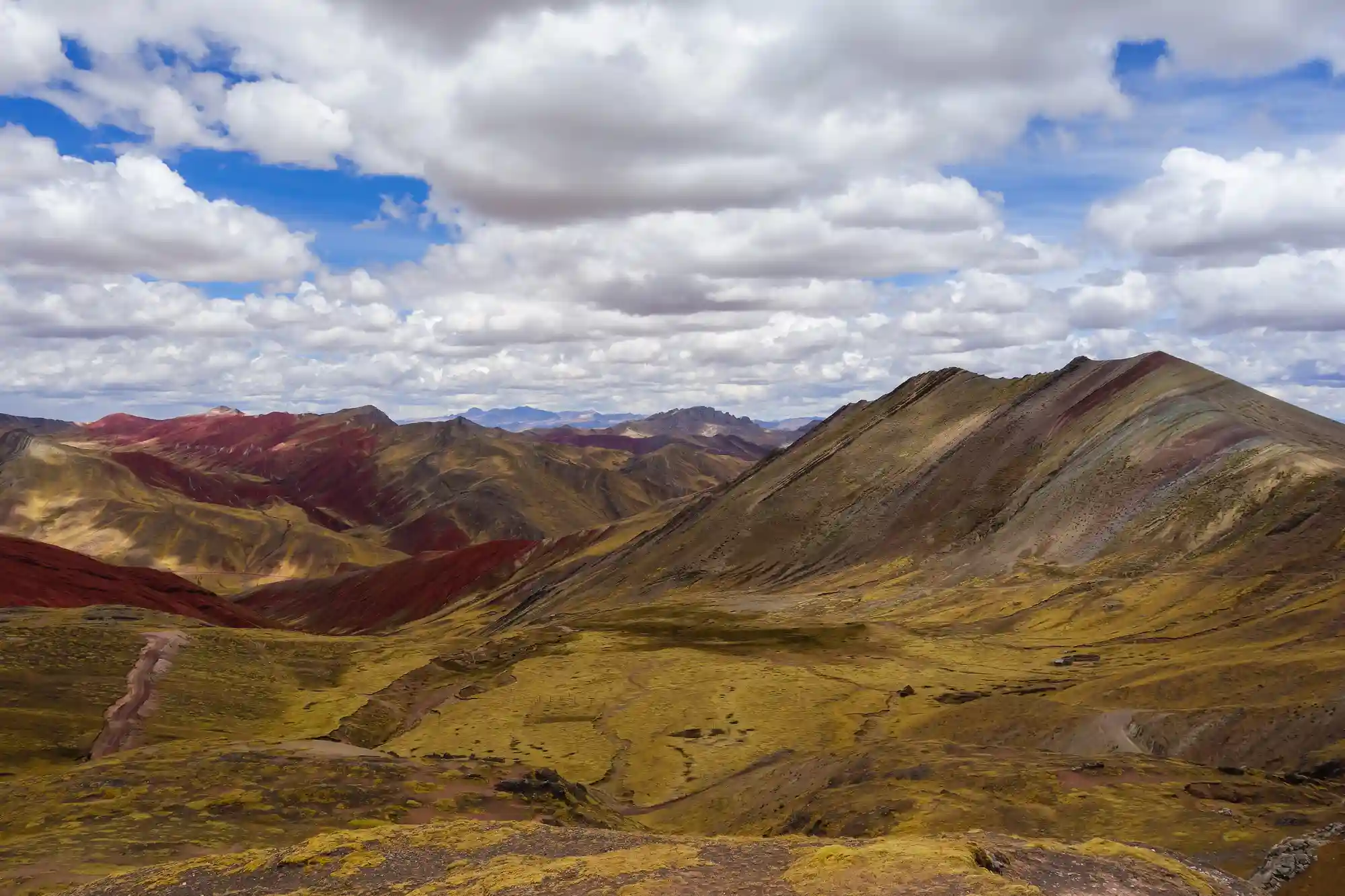
Cusco is much more than the gateway to Machu Picchu. Once the capital of the Inca Empire, the city brings together ancient stonework, colonial architecture, traditional markets, Andean culture and impressive mountain landscapes.
Its historic center preserves an exceptional combination of Inca and Spanish architecture, earning Cusco recognition as a UNESCO World Heritage Site.
Whether you are planning to explore the city, visit the Sacred Valley, hike through the Andes or travel to Machu Picchu, Cusco is the ideal place to begin your adventure in southern Peru.
This guide explains how to visit Cusco, when to travel, how many days to stay, where to sleep and what to include in your itinerary.
Where Is Cusco?
Cusco is located in the Peruvian Andes in southeastern Peru. The city sits at approximately 3,399 meters above sea level, making it one of the highest major tourist destinations in South America.
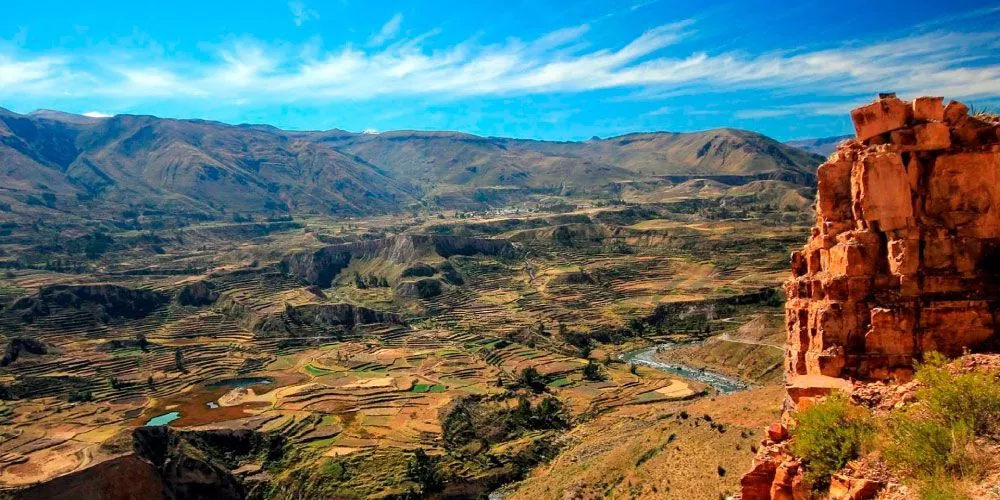
Cusco is surrounded by valleys, mountains, archaeological sites and traditional communities. Its location makes it a convenient starting point for visiting:
- Machu Picchu
- The Sacred Valley
- Rainbow Mountain
- Humantay Lake
- Maras and Moray
- The Inca Trail
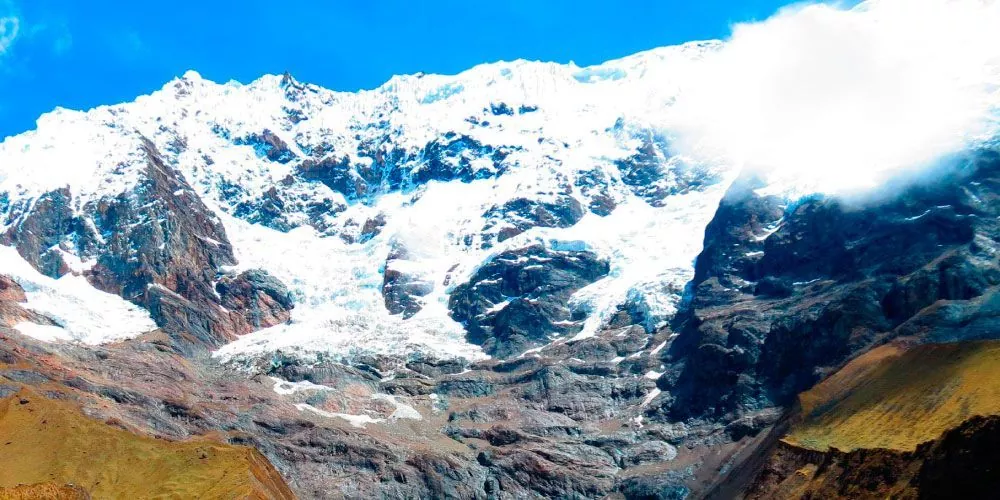
- Salkantay Mountain
- Palcoyo Mountain
- The South Valley
- Manu National Park
Why Visit Cusco?
Cusco offers a unique combination of history, culture, gastronomy and outdoor adventure.
Visitors can walk through streets built over original Inca foundations, explore colonial churches, visit archaeological complexes and experience contemporary Andean traditions.
The main reasons to visit Cusco include:
- Discovering the former capital of the Inca Empire
- Exploring Inca and colonial architecture
- Visiting traditional markets
- Trying Peruvian and Andean cuisine
- Learning about local customs
- Using the city as a base for day tours
- Acclimatizing before a mountain trek
- Beginning a journey to Machu Picchu
- Participating in cultural festivals
- Exploring the surrounding Andes
When Is the Best Time to Visit Cusco?
Cusco can be visited throughout the year, but the experience changes depending on the season.
The region generally has two main periods:
- The dry season from approximately April to October
- The rainy season from approximately November to March
Visiting Cusco During the Dry Season
The dry season is the most popular period for visiting Cusco.
Travelers can generally expect clearer skies, sunnier days and colder nights. These conditions are especially suitable for trekking, outdoor tours and photography.
Advantages of the dry season include:
- Better conditions for hiking
- Clearer mountain views
- Lower probability of prolonged rain
- Easier access to outdoor attractions
- Good conditions for visiting Machu Picchu
However, June, July and August are usually busy travel months. Hotels, trains, Machu Picchu entrances and popular treks should be booked well in advance.
Visiting Cusco During the Rainy Season
The rainy season offers greener landscapes, fewer visitors and a quieter atmosphere.
Rain usually does not fall continuously throughout the entire day. Mornings may be clear, followed by showers later in the afternoon or evening.
Advantages of the rainy season include:
- Greener valleys and mountains
- Fewer visitors at many attractions
- Greater hotel availability
- A quieter historic center
- Good photography after rainfall
Travelers should carry waterproof clothing and prepare for possible changes to outdoor activities.
How to Get to Cusco
Most international visitors travel to Cusco through Lima. Domestic flights connect the Peruvian capital with Cusco, while long-distance buses are also available from several cities.
Traveling to Cusco by Plane
Flying is the fastest and most convenient way to reach Cusco.
Most travelers follow this route:
- Arrive at Jorge Chávez International Airport in Lima.
- Take a domestic flight from Lima to Cusco.
- Travel from Cusco Airport to the historic center.
Flights between Lima and Cusco usually operate throughout the day. Morning flights may be preferable because mountain weather can sometimes cause delays later in the day.
After arriving, travelers can reach their accommodation by:
- Prearranged hotel transfer
- Private airport transfer
- Authorized taxi
- Local taxi service
The journey from the airport to the historic center depends on traffic but is generally short.
Traveling to Cusco by Bus
Long-distance buses connect Cusco with destinations such as:
- Lima
- Arequipa
- Puno
- Nazca
- Puerto Maldonado
- Abancay
Bus travel is slower than flying but can be useful for travelers following an overland itinerary through southern Peru.
When choosing a bus company, consider:
- Safety reputation
- Seat type
- Departure time
- Total travel duration
- Number of stops
- Luggage policy
- Bus terminal location
For long overnight journeys, a reclining seat can make the trip more comfortable.
Traveling to Cusco by Train
Some travelers include train travel as part of a wider journey through southern Peru.
Train services may connect tourist destinations in the Andean region, but schedules and operating days can vary. Train travel is usually selected for the scenery and experience rather than for speed.
Train services to Machu Picchu depart from stations outside or near Cusco, depending on the service and season.
How Many Days Should You Spend in Cusco?
The ideal length of stay depends on the activities you want to complete.
Two Days in Cusco
Two days may be enough for travelers with a limited schedule.
You can visit:
- Plaza de Armas
- Qorikancha
- San Blas
- San Pedro Market
- Sacsayhuaman
- Qenqo
- Puka Pukara
- Tambomachay
However, this schedule may feel rushed, especially if you have just arrived from a lower altitude.
Three Days in Cusco
Three days provide a more comfortable introduction to the city.
A possible plan includes:
- One day for acclimatization and the historic center
- One day for a Cusco City Tour
- One day for Maras, Moray or the South Valley
This is a good minimum stay before continuing to the Sacred Valley or Machu Picchu.
Four or Five Days in Cusco
Four or five days allow visitors to explore the city without rushing and include one or two day trips.
You could combine:
- Cusco historic center
- Nearby archaeological sites
- Sacred Valley
- Maras and Moray
- Rainbow Mountain
- Humantay Lake
- Palcoyo Mountain
- South Valley
One Week or Longer
A longer stay is recommended for travelers who want to combine culture with hiking and outdoor adventures.
A full week provides enough time for:
- Proper acclimatization
- Several city attractions
- A Sacred Valley tour
- Machu Picchu
- A mountain or lake excursion
- Rest between demanding activities
Understanding Cusco’s Altitude
Cusco is located at a high elevation, so visitors arriving directly from sea level may need time to adjust.
Altitude can affect anyone, regardless of age or physical fitness. Gradual acclimatization is one of the most important considerations when planning a trip to Cusco.
During your first day, consider the following:
- Walk slowly
- Rest after arriving
- Drink enough water
- Eat light meals
- Avoid intense exercise
- Limit alcohol
- Sleep well
- Postpone demanding hikes
Do not plan Rainbow Mountain, Humantay Lake or a difficult trek immediately after arriving in Cusco.
Travelers with heart, lung or other relevant medical conditions should speak with a qualified healthcare professional before traveling to high altitude.
Where to Stay in Cusco
Cusco has accommodation for almost every travel style, including hostels, boutique hotels, traditional guesthouses and luxury properties.
Historic Center
The historic center is the most convenient area for first-time visitors.
Advantages include:
- Walking distance to major attractions
- Many restaurants and cafés
- Easy access to travel agencies
- Colonial architecture
- Active nightlife
- Convenient tour meeting points
The area around Plaza de Armas can be busy and noisy, so travelers looking for quiet accommodation should choose a hotel a few streets away.
San Blas
San Blas is known for narrow streets, artisan workshops, cafés and elevated views.
It is ideal for:
- Couples
- Photographers
- Artists
- Travelers seeking a boutique atmosphere
- Visitors who enjoy small cafés and local shops
The neighborhood is located on a hillside, so reaching some hotels requires walking uphill.
San Pedro
The San Pedro area is located close to the central market and within walking distance of Plaza de Armas.
It is suitable for:
- Budget travelers
- Visitors interested in local markets
- Travelers using public transportation
- People seeking affordable restaurants
Choose accommodation carefully and check the exact location before booking.
Wanchaq
Wanchaq is a more residential and commercial part of Cusco.
It may be a good option for:
- Longer stays
- Business travelers
- Visitors seeking quieter accommodation
- Travelers who prefer modern services
- People who do not need to stay beside Plaza de Armas
Transportation to the historic center is readily available.
Best Places to Visit in Cusco
Plaza de Armas
Plaza de Armas is the heart of Cusco’s historic center.
The square is surrounded by colonial arcades, restaurants, shops and important religious buildings.
From here, visitors can easily walk to:
- Cusco Cathedral
- The Church of the Society of Jesus
- Calle Loreto
- Hatun Rumiyoc Street
- San Blas
- Qorikancha
The plaza is especially attractive in the early morning and evening.
Cusco Cathedral
Cusco Cathedral is one of the most important colonial buildings in the city.
Its interior contains religious artwork, decorated chapels and objects reflecting the cultural exchange between European and Andean traditions.
Visitors should dress respectfully and follow photography restrictions.
Qorikancha
Qorikancha was one of the most important temples of the Inca Empire.
The Temple of Santo Domingo was later constructed over part of the original Inca complex. Today, visitors can observe the contrast between precise Inca stonework and colonial architecture.
Qorikancha is one of the best places to understand how Cusco changed after the Spanish arrival.
San Blas Neighborhood
San Blas is one of Cusco’s most picturesque neighborhoods.
Visitors can explore:
- Artisan workshops
- Small galleries
- Traditional streets
- Local cafés
- San Blas Square
- Elevated city viewpoints
Wear comfortable shoes because the streets are steep and often paved with stone.
San Pedro Market
San Pedro Market provides a lively introduction to local food and daily life.
Travelers can find:
- Fresh fruit
- Vegetables
- Bread
- Cheese
- Herbs
- Juices
- Souvenirs
- Local meals
- Traditional products
Keep personal belongings secure, especially when the market is crowded.
Twelve-Angled Stone
The Twelve-Angled Stone is one of Cusco’s best-known examples of Inca masonry.
It is located on Hatun Rumiyoc Street, within walking distance of Plaza de Armas.
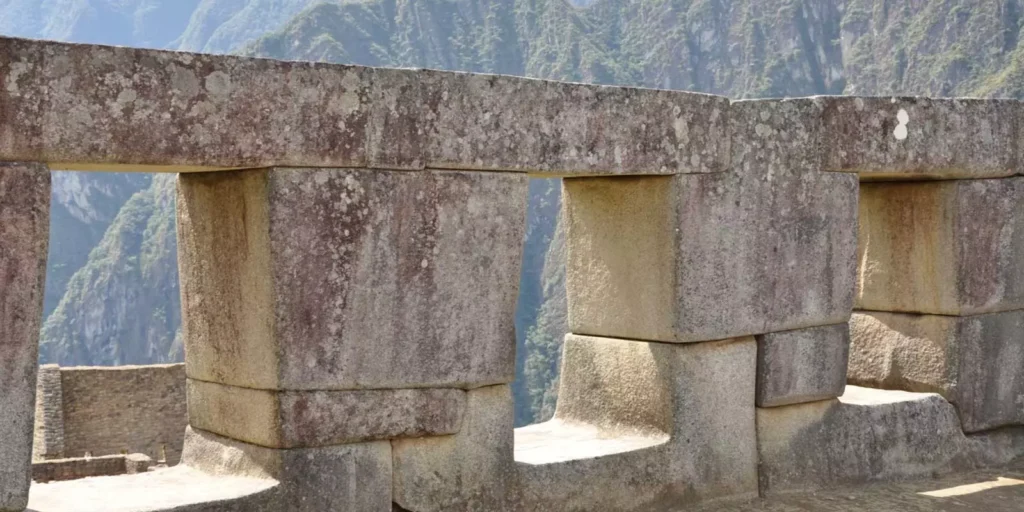
The stone demonstrates the precision with which Inca builders cut and fitted large blocks without using visible mortar.
Visitors should not touch or climb on the historic walls.
Sacsayhuaman
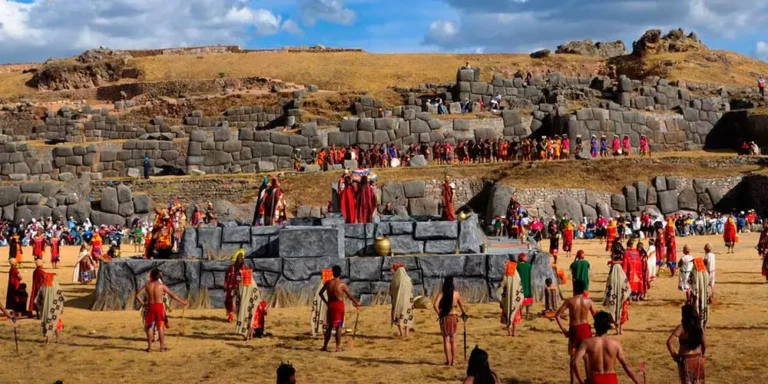
Sacsayhuaman is located above the city and contains enormous stone walls constructed with impressive precision.
The complex offers:
- Panoramic views of Cusco
- Large ceremonial areas
- Massive Inca stonework
- Open spaces
- Important historical context
Visitors can reach the site by guided tour, taxi or a steep walk from the historic center.
Qenqo
Qenqo is an archaeological site featuring carved rock formations, narrow passages and ceremonial spaces.
It is commonly visited as part of a city tour that also includes Sacsayhuaman, Puka Pukara and Tambomachay.
Puka Pukara
Puka Pukara is an archaeological complex overlooking the surrounding valleys.
Its location may have been connected with administration, observation and control of movement along important Inca routes.
Tambomachay
Tambomachay is known for its carefully designed water channels and fountains.
The site demonstrates the importance of water in Inca engineering and ceremonial traditions.
Best Day Trips From Cusco
Sacred Valley
The Sacred Valley is one of the most important destinations near Cusco.
A traditional tour may include:
- Pisac archaeological site
- Pisac market
- Urubamba
- Ollantaytambo
- Chinchero
The valley is located at a lower elevation than Cusco and can be a comfortable place to spend the first days of a trip.
Machu Picchu
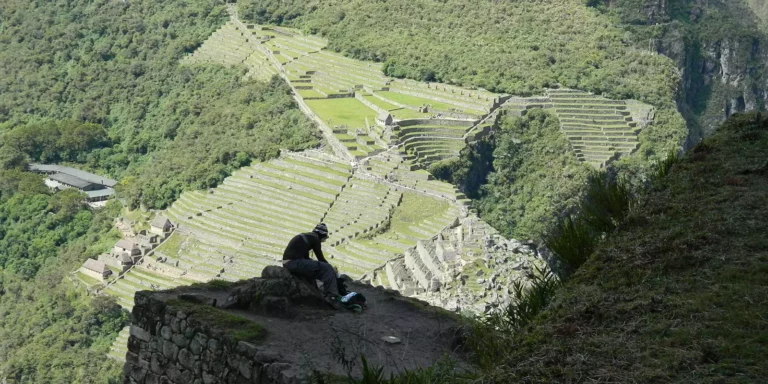
Machu Picchu can be visited from Cusco as a long full-day excursion, although many travelers prefer to stay overnight in Aguas Calientes.
A typical journey includes:
- Transportation from Cusco to the train station
- Train to Aguas Calientes
- Bus to Machu Picchu
- Guided visit
- Return train
- Transportation back to Cusco
Tickets, trains and entrance circuits should be reserved in advance.
Maras and Moray
Moray contains circular agricultural terraces constructed in natural depressions.
The nearby Maras salt mines consist of thousands of small salt pools extending across a mountainside.
These attractions can be combined in:
- A traditional vehicle tour
- An ATV excursion
- A private tour
- A Sacred Valley itinerary
Rainbow Mountain
Rainbow Mountain is known for its naturally colored slopes and high-altitude scenery.
The excursion begins very early and includes a demanding walk at considerable elevation.
Travelers should complete at least two days of acclimatization before attempting this tour.
Palcoyo Mountain
Palcoyo provides an alternative multicolored mountain experience.
The walking route is generally more gradual than Rainbow Mountain, although it still takes place at a very high altitude.
The landscape may include:
- Multicolored ridges
- Wide Andean valleys
- Red rock formations
- Views of Ausangate Mountain
- Alpacas and llamas
Humantay Lake
Humantay Lake is a turquoise glacial lake located beneath snow-covered mountains.
The excursion requires an uphill hike from the trailhead. Horses may be available for part of the route, but visitors must still be prepared for high altitude and uneven terrain.
South Valley
The South Valley is usually quieter than the Sacred Valley.
Popular attractions include:
- Tipón
- Pikillacta
- Andahuaylillas
This tour combines Inca engineering, pre-Inca history and colonial religious art.
How to Get Around Cusco
Walking
Walking is the best way to explore the historic center.
Many important attractions are located close together, but visitors should expect:
- Stone streets
- Uneven sidewalks
- Steep hills
- Narrow passages
- High-altitude conditions
Comfortable footwear is essential.
Taxis
Taxis are widely used for short journeys around Cusco.
Before entering a street taxi:
- Confirm the price
- Carry small bills
- Check the destination
- Avoid displaying valuables
- Ask your hotel to arrange transportation when possible
For airport transfers and early departures, booking transportation in advance is advisable.
Organized Tours
Organized tours are practical for visiting archaeological sites outside the city.
A tour may include:
- Transportation
- Professional guide
- Hotel pickup
- Planned itinerary
- Assistance with admission procedures
Always check what is included before making a reservation.
Public Transportation
Local buses and shared vehicles operate throughout Cusco.
They are inexpensive but may be difficult for first-time visitors to understand. Routes are not always clearly marked, and vehicles can become crowded.
Public transportation is more suitable for travelers who speak some Spanish and are familiar with the city.
What to Eat in Cusco
Cusco offers traditional Andean food, modern Peruvian cuisine and international options.
Popular dishes and products include:
- Alpaca meat
- Quinoa soup
- Chiri uchu
- Cuy
- Lomo saltado
- Ají de gallina
- Trout
- Corn with cheese
- Stuffed peppers
- Potatoes with Andean sauces
- Empanadas
- Chicha morada
Travelers will also find vegetarian, vegan, gluten-free and international restaurants throughout the historic center.
What to Pack for Cusco
Cusco’s weather can change quickly, and temperatures often vary between day and night.
Bring:
- Original passport
- Comfortable walking shoes
- Warm jacket
- Lightweight rain jacket
- Long trousers
- Breathable shirts
- Sun hat
- Sunglasses
- Sunscreen
- Reusable water bottle
- Small daypack
- Personal medication
- Portable charger
- Cash in Peruvian soles
- Copies of reservations
- Travel insurance information
For mountain excursions, also pack:
- Thermal clothing
- Gloves
- Warm hat
- Hiking shoes
- Rain protection
- Extra water
- High-energy snacks
- Walking poles when appropriate
Money and Payments
The official currency of Peru is the Peruvian sol.
Hotels, established restaurants and travel companies may accept credit cards, but cash remains useful for:
- Markets
- Small shops
- Local transportation
- Tips
- Rural communities
- Entrance fees
- Public restrooms
- Small purchases
Use official exchange offices and check the notes you receive before leaving the counter.
Safety Tips for Visiting Cusco
Cusco is accustomed to receiving travelers, but normal precautions are still important.
Follow these recommendations:
- Keep valuables out of sight
- Avoid carrying large amounts of cash
- Use registered or arranged transportation
- Watch your belongings in crowded markets
- Do not leave bags unattended
- Avoid isolated streets late at night
- Keep digital copies of important documents
- Confirm tours with established companies
- Check what is included before paying
- Inform someone about independent hiking plans
Common-sense precautions help reduce the risk of theft and travel problems.
Three-Day Cusco Itinerary
Day 1: Arrival and Acclimatization
- Arrive in Cusco
- Transfer to your hotel
- Rest and eat a light meal
- Walk slowly around Plaza de Armas
- Visit San Blas or a nearby café
- Sleep early
Day 2: Cusco City Tour
- Visit Qorikancha
- Explore Cusco Cathedral
- Tour Sacsayhuaman
- Visit Qenqo
- Continue to Puka Pukara
- Finish at Tambomachay
Day 3: Maras and Moray
- Visit Moray
- Explore the Maras salt mines
- Stop in a traditional community
- Return to Cusco in the afternoon
Five-Day Cusco Itinerary
Day 1: Arrival
- Hotel check-in
- Rest and acclimatization
- Short historic-center walk
Day 2: Cusco City Tour
- Plaza de Armas
- Qorikancha
- Sacsayhuaman
- Qenqo
- Puka Pukara
- Tambomachay
Day 3: Sacred Valley
- Pisac
- Urubamba
- Ollantaytambo
- Chinchero
Day 4: Machu Picchu
- Train to Aguas Calientes
- Bus to Machu Picchu
- Guided circuit
- Return journey
Day 5: Free Day in Cusco
- San Pedro Market
- San Blas
- Museums
- Shopping
- Local restaurant
- Rest before departure
Final Recommendations for Visiting Cusco
Cusco deserves more than a brief stop before Machu Picchu. The city has its own history, architecture, culture and traditions, and it is worth exploring slowly.
For a better experience:
- Spend at least three days in the area
- Allow time to acclimatize
- Book Machu Picchu in advance
- Schedule demanding hikes after easier activities
- Stay near the historic center on your first visit
- Bring clothing for sun, rain and cold
- Carry some Peruvian currency
- Use reliable transportation
- Travel with a professional guide when visiting archaeological sites
- Leave free time to explore the city independently
With careful planning, Cusco can become one of the most rewarding parts of your journey through Peru.

Deja un comentario