
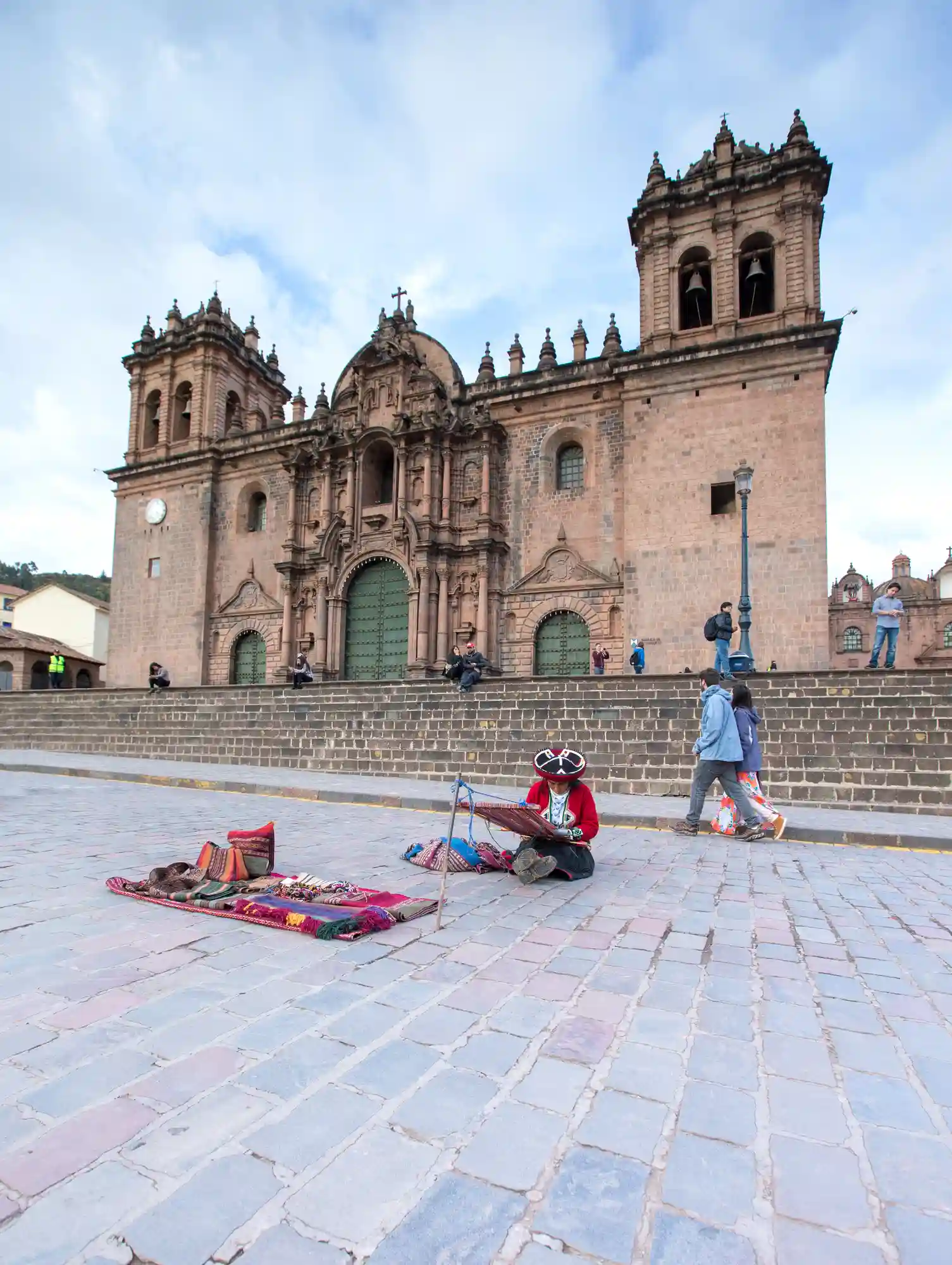
Cusco is often described as an open-air museum. Inca walls, colonial churches, archaeological remains and historic buildings can be found throughout the city. However, visiting Cusco’s museums provides a deeper understanding of the civilizations, traditions and historical events that shaped the region.
The city’s museums contain Inca artifacts, pre-Columbian ceramics, colonial paintings, religious objects, traditional clothing and contemporary artwork. Many are located inside historic mansions, former religious buildings and colonial residences near Plaza de Armas.
Whether you are interested in archaeology, Andean culture, art or local history, the museums in Cusco can add valuable context to your journey through Peru.
Why Visit Museums in Cusco?
Visiting archaeological sites is one of the main reasons travelers come to Cusco, but the ruins do not always provide detailed explanations about the objects, beliefs and people connected with them.
Museums help visitors understand:
- The development of pre-Inca civilizations
- The rise of the Inca Empire
- Inca religion and social organization
- Traditional Andean agriculture
- The Spanish conquest
- Colonial religious art
- The cultural exchange between Andean and European traditions
- The history of Cusco after independence
- Contemporary regional identity
Museums are also excellent alternatives during rainy afternoons, free mornings or days when travelers want a less physically demanding activity.
The Best Museums in Cusco
Cusco has museums dedicated to archaeology, history, religious art, traditional culture and contemporary creativity. Most of the principal museums are located within walking distance of the historic center.
Inka Museum
The Inka Museum is one of the most important places for learning about the history of the Inca civilization.
It is housed inside a historic colonial building near Plaza de Armas and contains collections connected with the development of Andean societies before and during the Inca Empire.
Visitors may find exhibits involving:
- Pre-Inca cultures
- Inca ceramics
- Agricultural tools
- Textiles
- Metal objects
- Stonework
- Weapons
- Models
- Traditional clothing
- Historical documents
The museum explains that the Inca Empire did not develop in isolation. It inherited knowledge, technologies and cultural practices from earlier Andean civilizations.
This museum is especially recommended for travelers visiting Cusco before Machu Picchu, the Sacred Valley or Sacsayhuaman.
Who Should Visit the Inka Museum?
The museum is ideal for:
- First-time visitors
- History enthusiasts
- Archaeology students
- Families with older children
- Travelers preparing for Machu Picchu
- Visitors interested in Inca daily life
Allow enough time to read the explanations and observe the objects carefully.
Museum of Pre-Columbian Art
The Museum of Pre-Columbian Art presents artistic objects created by ancient civilizations from different regions of Peru.
The collection demonstrates the technical skill, symbolism and creativity of pre-Columbian artists. The objects were not created simply as decorations. Many were connected with religion, political power, burial practices and social identity.
The museum may include examples of:
- Ceramics
- Gold objects
- Silver pieces
- Wood carvings
- Shell decorations
- Textiles
- Sculptures
- Ritual objects
The exhibitions help visitors appreciate pre-Columbian objects as works of art rather than only as archaeological evidence.
Why Visit the Museum of Pre-Columbian Art?
This museum is particularly suitable for:
- Art lovers
- Couples
- Cultural travelers
- Visitors interested in ancient design
- Travelers looking for a quiet museum experience
- People who want to learn about cultures beyond the Incas
The museum is located in one of Cusco’s most attractive historic areas, making it easy to combine with San Blas, Plaza de Armas and nearby colonial streets.
Regional Historical Museum
The Regional Historical Museum is located inside a colonial house traditionally associated with Inca Garcilaso de la Vega.
Garcilaso was an important writer of mixed Inca and Spanish heritage. His work helped document the history, traditions and political organization of the Inca world.
The museum explores several periods of regional history, including:
- Pre-Hispanic Cusco
- The Inca period
- The Spanish conquest
- Colonial society
- Religious influence
- Independence
- Republican history
Visitors may also learn about the cultural transformations that took place after the arrival of the Spanish.
Why Is This Museum Important?
The Regional Historical Museum helps connect the ancient and modern history of Cusco.
It is recommended for travelers who want to understand:
- How Cusco changed after the conquest
- The relationship between Inca and Spanish culture
- The importance of Garcilaso de la Vega
- The development of colonial Cusco
- The city’s transition into the republican period
Its central location makes it convenient to include in a walking tour of the historic center.
Qorikancha Site Museum
The Qorikancha Site Museum is associated with one of the most important religious complexes of the Inca Empire.
Qorikancha was traditionally dedicated to the Sun and was one of the principal ceremonial centers in ancient Cusco. The Spanish later constructed the Santo Domingo religious complex over parts of the Inca structure.
The museum provides additional information about:
- Qorikancha
- Inca religious beliefs
- Archaeological excavations
- Ceremonial objects
- Burial practices
- Changes during the colonial period
- The importance of the Sun in Inca culture
The site museum is smaller than some of Cusco’s major museums, but it provides useful historical context.
Combining the Museum With Qorikancha
A complete visit may include:
- The external Inca walls
- The Santo Domingo complex
- The surviving Inca rooms
- The Qorikancha Site Museum
- Avenida El Sol
Visiting both the main archaeological structure and the museum provides a more complete understanding of the site.
Museum of Religious Art
The Museum of Religious Art is located inside a historic colonial building constructed over Inca foundations.
It contains examples of religious painting, sculpture, furniture and decorative art from the colonial period.
The collection may include:
- Paintings from the Cusco School
- Religious sculptures
- Colonial furniture
- Sacred objects
- Decorative woodwork
- Historical portraits
- Religious garments
The Cusco School of painting developed during the colonial period and combined European religious themes with Andean symbols, landscapes, plants, animals and local interpretations.
What Is the Cusco School of Art?
The Cusco School was an important artistic tradition that developed under Spanish colonial rule.
Its paintings often included:
- Christian saints
- Biblical scenes
- Rich gold decoration
- Andean landscapes
- Local plants
- Native birds
- Regional clothing
- Symbolic details
These works demonstrate how local artists adapted European religious ideas to an Andean cultural environment.
Museum of Popular Art
The Museum of Popular Art focuses on the creativity and traditions of local and regional artisans.
The exhibitions may feature:
- Ceramics
- Traditional figurines
- Masks
- Textiles
- Religious objects
- Festival decorations
- Miniature scenes
- Wood carvings
- Folk artwork
Popular art reflects the daily lives, beliefs, celebrations and humor of local communities.
This museum is a good option for travelers interested in understanding living traditions rather than only ancient history.
Why Visit the Museum of Popular Art?
It is especially interesting for:
- Craft lovers
- Families
- Cultural travelers
- Visitors attending regional festivals
- Travelers interested in traditional markets
- People planning to purchase local artwork
The museum can also help visitors recognize the differences between handmade regional crafts and mass-produced souvenirs.
Museum of Contemporary Art
The Museum of Contemporary Art displays works produced by modern and contemporary artists from Cusco and other parts of Peru.
Its collection can provide a contrast to the archaeological and colonial focus of many other museums in the city.
Visitors may see:
- Paintings
- Drawings
- Sculptures
- Mixed-media works
- Regional landscapes
- Social commentary
- Abstract art
- Modern interpretations of Andean identity
The museum demonstrates that Cusco is not only a city of ancient ruins. It also has an active and evolving artistic community.
Who Should Visit?
The Museum of Contemporary Art is recommended for:
- Modern art enthusiasts
- Travelers interested in local creativity
- Art students
- Visitors looking for a shorter museum stop
- People interested in modern Andean identity
Machu Picchu Museum at Casa Concha
The Machu Picchu Museum at Casa Concha provides information about the archaeological site and the history of research conducted there.
It is located inside a restored colonial mansion built over earlier Inca structures.
The museum may include:
- Archaeological objects
- Ceramics
- Metal artifacts
- Tools
- Interactive displays
- Historical photographs
- Information about excavations
- Explanations of daily life at Machu Picchu
This museum is one of the best places to visit before traveling to Machu Picchu.
Why Visit Before Machu Picchu?
The museum can help travelers recognize:
- Different types of Inca ceramics
- Household objects
- Religious items
- Construction techniques
- Archaeological research methods
- The historical importance of the citadel
A museum visit before the journey makes the archaeological site easier to understand.
Museum of Natural History
The Museum of Natural History introduces visitors to the biodiversity and geography of the Cusco region.
The department of Cusco contains high mountains, valleys, cloud forests and Amazonian environments. This variety creates an extraordinary range of plants, animals and ecosystems.
Exhibitions may include:
- Regional wildlife
- Birds
- Mammals
- Reptiles
- Insects
- Rocks and minerals
- Fossils
- Botanical information
- Andean ecosystems
The museum can be especially interesting for families and travelers planning to visit the Amazon, Manu National Park or high-altitude areas.
Coca Museum
The coca plant has played an important role in Andean culture for thousands of years.
A museum dedicated to coca may explain:
- Traditional cultivation
- Ceremonial uses
- Agricultural practices
- Medicinal traditions
- Cultural significance
- Historical misunderstandings
- The difference between the natural plant and processed illegal substances
Coca leaves remain part of religious ceremonies, social exchanges and traditional high-altitude practices in Andean communities.
This type of museum is useful for travelers who want to understand the plant beyond simplified international perceptions.
Chocolate Museums and Workshops
Cusco also has interactive spaces focused on chocolate and Peruvian cacao.
These experiences are generally more commercial and participatory than archaeological museums. Depending on the location, visitors may learn about:
- Cacao cultivation
- The history of chocolate
- Traditional preparation
- Roasting cacao beans
- Grinding cacao
- Chocolate production
- Regional cacao varieties
Some establishments also offer workshops in which participants prepare their own chocolate.
These activities are suitable for:
- Families
- Couples
- Children
- Food enthusiasts
- Travelers looking for an indoor activity
- Visitors interested in Peruvian products
Museums for Learning About Andean Textiles
Textiles are one of the most important artistic and cultural traditions of the Andes.
Museums, interpretation centers and cultural spaces may explain:
- Natural fibers
- Alpaca and sheep wool
- Natural dyes
- Traditional weaving techniques
- Regional patterns
- Symbolic designs
- Community clothing
- Textile preservation
Visitors can learn how patterns, colors and garments may indicate:
- Community identity
- Family history
- Marital status
- Social role
- Geographic origin
- Ceremonial function
A textile-focused visit can be combined with a trip to Chinchero or a traditional weaving community in the Sacred Valley.
Best Museums for First-Time Visitors
Travelers with limited time should prioritize museums that provide the clearest introduction to Cusco and Inca culture.
Recommended choices include:
- Inka Museum
- Museum of Pre-Columbian Art
- Regional Historical Museum
- Machu Picchu Museum at Casa Concha
- Qorikancha Site Museum
These museums cover archaeology, art, colonial history and the development of the Inca Empire.
Best Museums for Art Lovers
Art-focused travelers should consider:
- Museum of Pre-Columbian Art
- Museum of Religious Art
- Museum of Popular Art
- Museum of Contemporary Art
Together, these institutions show how artistic expression developed from ancient Andean societies through the colonial period and into modern Cusco.
Best Museums for Families
Families may prefer museums with visual, interactive or easily understandable exhibitions.
Good options include:
- Museum of Natural History
- Machu Picchu Museum at Casa Concha
- Chocolate museums and workshops
- Museum of Popular Art
- Inka Museum
Children may be more engaged by models, animals, colorful ceramics, traditional figures and interactive activities.
Best Museums Before Visiting Machu Picchu
Before traveling to Machu Picchu, consider visiting:
- Inka Museum
- Machu Picchu Museum at Casa Concha
- Qorikancha Site Museum
- Museum of Pre-Columbian Art
These visits can help travelers understand Inca architecture, religion, ceramics and daily life before entering the archaeological site.
How Many Museums Can You Visit in One Day?
The number depends on the size of each museum and how carefully you explore the exhibitions.
A comfortable museum day may include:
- Two major museums
- One smaller museum
- A lunch break
- A walk through the historic center
Trying to visit too many museums in one day can become tiring. It is better to choose institutions connected with your main interests.
Suggested One-Day Museum Itinerary
Morning: Inca History
Begin with the Inka Museum.
Allow enough time to explore the archaeological collections and learn about the development of the Inca Empire.
Continue to the Museum of Pre-Columbian Art, located nearby.
Lunch
Have lunch around Plazoleta de las Nazarenas, Plaza de Armas or San Blas.
Afternoon: Machu Picchu and Colonial History
Visit the Machu Picchu Museum at Casa Concha.
Continue to the Museum of Religious Art or the Regional Historical Museum.
Evening
Walk through Plaza de Armas and observe the colonial buildings illuminated at night.
Suggested Two-Day Museum Itinerary
Day 1: Inca and Pre-Columbian Culture
Visit:
- Inka Museum
- Museum of Pre-Columbian Art
- Machu Picchu Museum at Casa Concha
Day 2: Colonial and Modern Cusco
Visit:
- Qorikancha
- Qorikancha Site Museum
- Museum of Religious Art
- Museum of Popular Art or Contemporary Art Museum
This itinerary provides a broader understanding of Cusco’s historical transformation.
Museums and the Cusco Tourist Ticket
Some museums and archaeological attractions may be included in different versions of the Cusco Tourist Ticket.
Depending on the ticket category, admission may cover selected:
- Museums
- Archaeological sites
- Cultural attractions
- Traditional dance performances
Not every museum is included. Private museums and religious institutions may require separate admission.
Before purchasing a tourist ticket, confirm:
- Which museums are included
- How many days the ticket remains valid
- Whether the ticket includes archaeological sites
- Whether separate entrance payments are necessary
- Whether student discounts are available
Museum Opening Hours
Museum schedules can vary according to:
- Day of the week
- Public holidays
- Religious celebrations
- Maintenance
- Private events
- Seasonal changes
Some museums close earlier than major archaeological attractions. Others may have reduced hours on Sundays or holidays.
To organize your day:
- Visit major museums in the morning.
- Check the entrance schedule before leaving your hotel.
- Avoid arriving shortly before closing.
- Carry cash for smaller entrance payments.
- Allow extra time for ticket controls.
Are Museum Guides Available?
Some museums provide written explanations in Spanish and English, while others may have limited translations.
Depending on the institution, visitors may find:
- Professional museum guides
- Printed information
- Audio guides
- QR-based explanations
- Guided group visits
- Private tour guides
Hiring a professional guide can be useful when visiting several museums and archaeological sites on the same day.
A guide can explain:
- Historical connections
- Religious symbolism
- Differences between cultures
- Artistic techniques
- The meaning of ceremonial objects
- How museum collections relate to archaeological sites
Museum Etiquette
Visitors should follow the regulations of each museum.
Common rules include:
- Do not touch objects.
- Do not use flash photography.
- Respect areas where photography is prohibited.
- Keep your voice low.
- Do not eat or drink inside exhibition rooms.
- Keep children supervised.
- Do not lean on historic walls or display cases.
- Follow the designated route.
- Turn off loud phone notifications.
Some museums are located inside religious or historically sensitive buildings, so respectful behavior is essential.
What to Bring on a Museum Day
For a comfortable museum visit, carry:
- Small backpack
- Passport or identification
- Cash in Peruvian soles
- Credit or debit card
- Lightweight rain jacket
- Water for use outside museums
- Notebook
- Phone or camera
- Portable charger
- Comfortable walking shoes
Cusco’s museums are close together, but walking between them may involve cobblestone streets, hills and uneven sidewalks.
Museums During the Rainy Season
Museums are excellent activities during Cusco’s rainy season.
Rain is more common between approximately November and March, particularly during the afternoons.
A practical rainy-day plan may include:
- Morning archaeological visit
- Lunch in the historic center
- Afternoon museum visit
- Coffee or chocolate workshop
- Evening cultural performance
Carry a waterproof jacket even when the morning appears sunny.
Combining Museums With Other Attractions
Museums can easily be combined with nearby landmarks.
Inka Museum Area
Combine with:
- Plaza de Armas
- Cusco Cathedral
- Plazoleta de las Nazarenas
- San Blas
Qorikancha Area
Combine with:
- Santo Domingo
- Avenida El Sol
- Local textile stores
- Traditional restaurants
Regional Historical Museum Area
Combine with:
- Plaza Regocijo
- San Francisco Square
- San Pedro Market
- Colonial streets
Casa Concha Area
Combine with:
- Twelve-Angled Stone
- Hatun Rumiyoc Street
- Museum of Religious Art
- San Blas
Common Mistakes to Avoid
Travelers should avoid:
- Visiting without checking opening hours
- Assuming every museum accepts the tourist ticket
- Planning too many museums in one afternoon
- Arriving immediately before closing
- Using flash without permission
- Touching archaeological objects
- Skipping museums before Machu Picchu
- Carrying only large banknotes
- Expecting every display to have English explanations
- Treating colonial museums as unrelated to Inca history
Cusco’s history is complex, and the museums complement one another.
Are Cusco Museums Worth Visiting?
Cusco’s museums are worth visiting because they provide information that cannot be fully understood by walking through the streets or archaeological sites alone.
They help explain:
- Who built the objects found in excavations
- How the Inca Empire developed
- How people lived before the Spanish conquest
- How religion changed during the colonial period
- How Andean traditions survived
- How modern artists interpret regional identity
Even travelers with only one free afternoon can benefit from visiting at least one museum.
Final Recommendations
Museums are an essential part of a complete Cusco experience.
The Inka Museum is one of the best choices for understanding Inca history. The Museum of Pre-Columbian Art is ideal for appreciating ancient creativity and design. Casa Concha provides useful preparation for Machu Picchu, while the Regional Historical Museum explains the transformation of Cusco during the colonial and republican periods.
For a balanced cultural experience, include:
- One archaeological museum
- One art museum
- One colonial history museum
- One museum connected with Machu Picchu
- One cultural or interactive activity
Cusco should not be experienced only as a starting point for tours. Its museums reveal the stories, beliefs, artistic traditions and historical changes that made the city one of the most important cultural destinations in South America.

Deja un comentario