
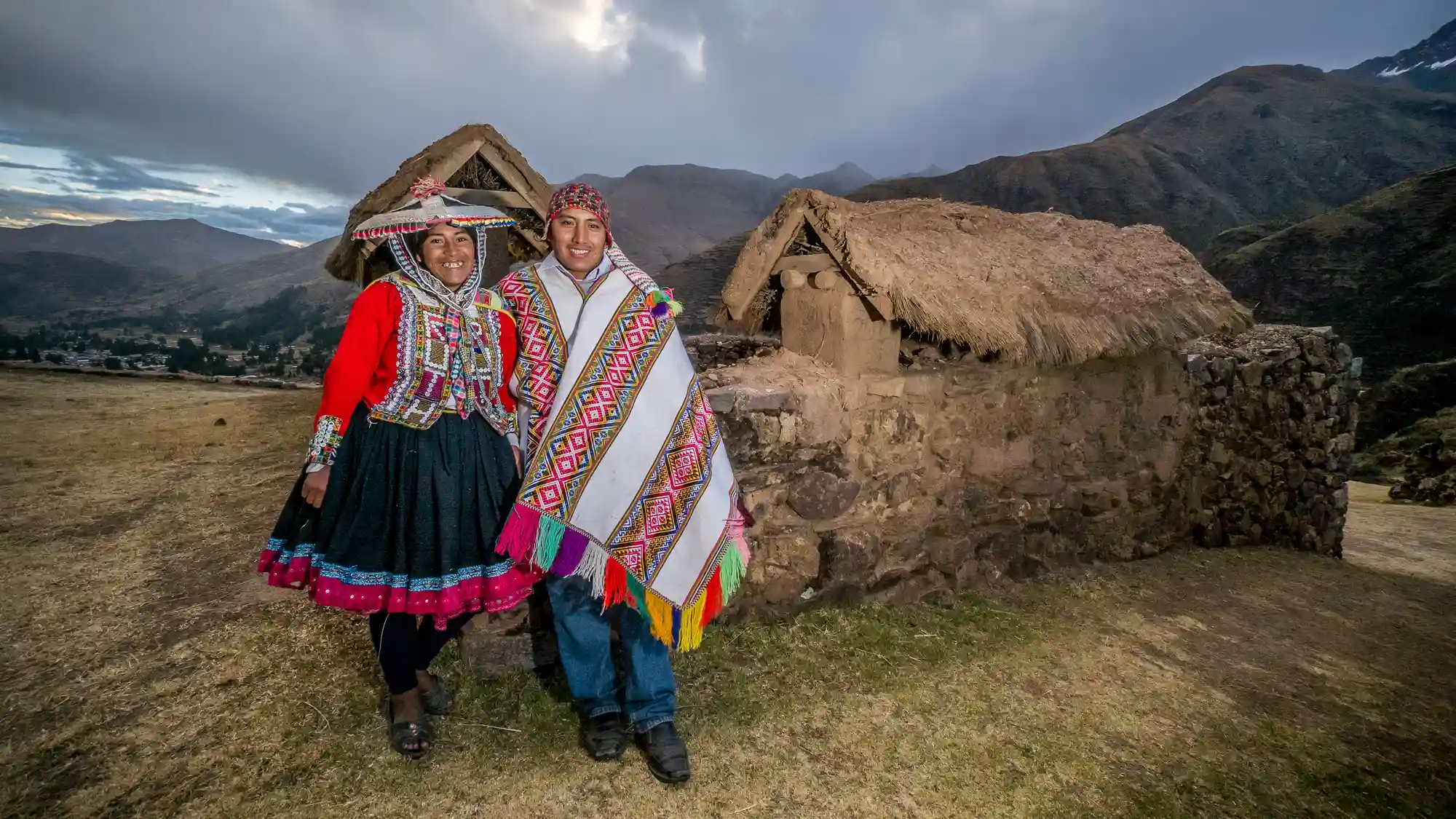
Cusco is internationally known as the historic capital of the Inca Empire and the main gateway to Machu Picchu. However, the city has also developed into one of Peru’s most interesting culinary destinations.
Restaurants in Cusco combine traditional Andean ingredients with contemporary Peruvian techniques, international influences and recipes from the coast, mountains and Amazon rainforest. Travelers can enjoy everything from inexpensive market lunches to sophisticated tasting experiences inside restored colonial buildings.
Whether you want to try traditional Cusco cuisine, eat vegan food, enjoy a romantic dinner or find an affordable meal before a tour, the city offers options for almost every taste and budget.
What Makes Cusco’s Restaurants Special?
The culinary identity of Cusco is strongly connected to the agricultural diversity of the Andes.
Common regional ingredients include:
- Native potatoes
- Quinoa
- Corn
- Tarwi
- Broad beans
- Andean cheese
- Trout
- Alpaca
- Cuy
- Chuño
- Oca
- Mashua
- Local herbs
- Chili peppers
Traditional restaurants preserve recipes associated with local families, agricultural communities and regional celebrations. Contemporary restaurants reinterpret the same ingredients through modern presentations and international cooking techniques.
Cusco also has a diverse international food scene. Visitors can find:
- Peruvian cuisine
- Andean cuisine
- Nikkei food
- Peruvian-Chinese chifa
- Italian and Mediterranean food
- Vegan cuisine
- Vegetarian restaurants
- Artisan cafés
- International comfort food
- Fine dining
Best Areas for Restaurants in Cusco
The location of a restaurant can strongly influence its atmosphere, price and style.
Plaza de Armas
The streets surrounding Plaza de Armas contain many of Cusco’s most accessible restaurants.
This area is convenient for:
- First-time visitors
- Travelers staying in the historic center
- Families
- Couples
- Groups with different food preferences
- Visitors looking for balcony views
Many restaurants are located on the upper floors of colonial buildings and provide views of the cathedral, the main square and the surrounding mountains.
Restaurants directly overlooking Plaza de Armas usually charge more than neighborhood establishments. However, the central location, colonial architecture and views can make them worthwhile for a special meal.
Plaza Regocijo
Plaza Regocijo is located only a short walk from Plaza de Armas.
The area is quieter than the main square but remains close to the principal hotels, museums and attractions. It is a good choice for regional cuisine and contemporary Peruvian restaurants.
Chicha is one of the best-known restaurants in this area. Its concept emphasizes the gastronomic knowledge, products and regional traditions of Cusc
San Blas
San Blas is one of the most attractive neighborhoods for dining in Cusco.
The area is known for:
- Colonial courtyards
- Artisan workshops
- Independent cafés
- Traditional restaurants
- Vegetarian food
- Vegan restaurants
- Small bars
- Boutique dining spaces
Pachapapa is one of the neighborhood’s established restaurants and specializes in traditional Cusco cuisine. Its setting near San Blas Square makes it a popular choice for travelers who want regional food in a relaxed courtyard atmosphere. (
San Blas is located uphill from Plaza de Armas. Travelers should consider the steep streets when choosing a restaurant, particularly after a long tour or during the rainy season.
Plazoleta de las Nazarenas
Plazoleta de las Nazarenas is one of the most refined dining areas in Cusco.
The small square is surrounded by historic buildings, museums and luxury hotels. It is especially suitable for:
- Romantic dinners
- Celebrations
- Fine dining
- Quiet evening meals
- Contemporary Peruvian cuisine
MAP Café is located inside the Museum of Pre-Columbian Art. Its culinary proposal connects contemporary cuisine with Peru’s ancestral artistic heritage.
San Pedro
The San Pedro area offers a more local and affordable dining experience.
San Pedro Market contains juice stands, breakfast counters, soup stalls, small lunch businesses and vendors selling regional ingredients.
This area is appropriate for travelers interested in:
- Local food
- Affordable meals
- Traditional breakfasts
- Fresh fruit juices
- Market culture
- Regional ingredients
The market environment is busy and informal. Visitors should keep their belongings secure and choose stalls with a steady flow of customers.
Best Traditional Restaurants in Cusco
Traditional restaurants are the best places to discover regional recipes and ingredients.
Pachapapa
Pachapapa is a strong choice for travelers who want to experience traditional Cusco cuisine in San Blas.
The restaurant is known for its regional focus and colonial courtyard setting. It is particularly suitable for visitors interested in Andean ingredients, traditional preparations and local flavors. (Cusco Restaurants)
Travelers may find dishes prepared with:
- Alpaca
- Trout
- Native potatoes
- Corn
- Quinoa
- Andean cheese
- Cuy
- Local herbs
Pachapapa is a convenient option for lunch after exploring the artisan streets and viewpoints of San Blas.
Chicha
Chicha presents regional cuisine through a contemporary restaurant concept.
Its culinary approach highlights the gastronomic traditions and knowledge of Cusco while offering a comfortable experience for international and Peruvian visitors
It is suitable for:
- Couples
- Families
- Food-focused travelers
- Special dinners
- Small groups
- Visitors who want traditional flavors with modern presentation
Reservations are recommended during weekends and busy travel periods.
Local Cuyerías
Travelers who want to try traditional roasted cuy can also visit specialized restaurants known as cuyerías.
Many are located outside the most tourist-oriented streets. These establishments often focus on a small number of traditional dishes rather than offering an extensive international menu.
Cuy is commonly connected with:
- Family celebrations
- Regional festivals
- Important gatherings
- Traditional Sunday meals
- Religious festivities
The dish is often presented whole. Travelers who prefer a different presentation should ask before ordering.
Best Contemporary Peruvian Restaurants
Contemporary Peruvian restaurants combine ingredients from different regions of the country with modern culinary techniques.
Morena Peruvian Kitchen
Morena Peruvian Kitchen presents dishes inspired by Peru’s coastal, Andean and Amazonian food traditions.
The restaurant offers a modern environment in the historic center and is a good introduction to Peruvian cuisine for first-time visitors. Its broader restaurant group also operates Campo Cocina Andina, which emphasizes shared meals and rural Peruvian culinary traditions.
Morena is appropriate for:
- Groups of friends
- Couples
- Families
- First-time visitors to Peru
- Travelers seeking contemporary presentation
- People who want several regional influences on one menu
MAP Café
MAP Café provides a sophisticated dining experience within the Museum of Pre-Columbian Art.
Its setting connects food, history and culture, making it suitable for travelers who want more than a conventional restaurant meal. The restaurant describes its cuisine as an author-driven proposal inspired by Peru’s ancestral art. (
MAP Café is recommended for:
- Anniversary dinners
- Honeymoons
- Cultural travelers
- Romantic evenings
- Visitors interested in creative cuisine
Mauka
Mauka operates within Palacio Nazarenas and focuses on native products presented through contemporary formats.
Its cuisine has been associated with chef Pía León and with the exploration of endemic and ancestral ingredients from the Peruvian Andes. (
This restaurant is best suited for:
- Fine-dining enthusiasts
- Special occasions
- Travelers interested in native ingredients
- Couples
- Guests seeking an elegant atmosphere
Best Fusion Restaurants in Cusco
Cusco’s restaurant scene includes influences from Japanese, Chinese, Italian and Mediterranean cooking.
LIMO
LIMO specializes in Peruvian Nikkei cuisine, combining Japanese techniques with Peruvian ingredients.
It forms part of the Cusco Restaurants group, together with establishments such as MAP Café, Pachapapa, KION and Inkagrill.
LIMO is suitable for:
- Sushi lovers
- Couples
- Travelers interested in Nikkei food
- Dinner near Plaza de Armas
- Small groups sharing dishes
Nikkei menus commonly combine seafood, citrus, chili peppers, rice, soy-based seasonings and Japanese preparation methods.
KION
KION focuses on Peruvian-Chinese cuisine, commonly known in Peru as chifa.
Chifa developed through the combination of Chinese culinary traditions and Peruvian ingredients. Typical dishes may include:
- Arroz chaufa
- Stir-fried noodles
- Wontons
- Sweet-and-sour dishes
- Meat and vegetable stir-fries
- Shared rice dishes
KION is part of the current Cusco Restaurants portfolio and is a practical option for groups seeking generous dishes to share.
Cicciolina
Cicciolina combines Mediterranean and Andean influences in a restaurant and café concept.
The restaurant describes its cuisine as Mediterranean-Andean fusion and also offers artisan café and outdoor gastronomic experiences.
It is a good option for:
- Tapas
- Shared plates
- Wine
- Couples
- Small groups
- Visitors looking for international flavors with local ingredients
Its location on the second floor of a historic building contributes to its intimate atmosphere.
Best Vegan and Vegetarian Restaurants in Cusco
Cusco has a surprisingly developed plant-based restaurant scene.
Green Point
Green Point is one of the city’s most established vegan restaurants.
Its menu includes plant-based versions of international favorites and contemporary dishes prepared with vegetables, grains, tofu, mushrooms, lentils and Peruvian ingredients. \
It is recommended for:
- Vegan travelers
- Vegetarians
- Groups with mixed dietary needs
- Travelers looking for a lighter meal
- Visitors interested in creative plant-based food
The menu goes beyond simple salads and includes complete main courses, desserts and house specialties.
Vegetarian Options in Regular Restaurants
Many restaurants in the historic center offer vegetarian dishes even when they are not exclusively vegetarian.
Common options include:
- Quinoa soup
- Vegetable curry
- Mushroom ceviche
- Stuffed peppers
- Pasta
- Vegetable risotto
- Quinoa bowls
- Salads
- Andean potato dishes
- Corn and cheese preparations
Travelers should confirm whether soups, sauces and rice have been prepared with chicken or meat stock.
Useful Spanish phrases include:
- Soy vegetariano/a: I am vegetarian.
- Soy vegano/a: I am vegan.
- Sin carne: Without meat.
- Sin pollo: Without chicken.
- Sin productos lácteos: Without dairy products.
- ¿Contiene caldo de pollo?: Does it contain chicken stock?
Affordable Restaurants in Cusco
Cusco has many affordable alternatives outside the principal tourist restaurants.
Menú del Día Restaurants
Small restaurants often advertise a menú del día during lunchtime.
A typical fixed lunch may include:
- Soup or starter
- Main course
- Drink
- Occasionally dessert
These restaurants are commonly found:
- Near San Pedro Market
- Around Avenida El Sol
- In Wanchaq
- On streets outside Plaza de Armas
- Near local universities and offices
The food is usually simple, filling and more affordable than dining directly beside the main square.
San Pedro Market
San Pedro Market is one of the best options for inexpensive local food.
Travelers can find:
- Fruit juices
- Tamales
- Bread
- Cheese
- Soups
- Rice dishes
- Chicken
- Trout
- Local breakfasts
- Set lunches
Choose food that is prepared recently and served hot.
Pollerías and Chifa Restaurants
Pollerías specialize in Peruvian-style roasted chicken, usually served with French fries and salad.
Chifa restaurants are also useful for affordable meals, particularly when several people want to share large dishes.
Popular economical choices include:
- Pollo a la brasa
- Arroz chaufa
- Tallarín saltado
- Fried rice combinations
- Soups
- Grilled chicken
- Sandwiches
Best Restaurants for a Special Occasion
Travelers celebrating a honeymoon, anniversary, birthday or engagement may prefer a restaurant with a quieter setting and more elaborate service.
Suitable options include:
- Mauka
- MAP Café
- Cicciolina
- Chicha
- LIMO
- Morena Peruvian Kitchen
MAP Café combines cultural surroundings with author-driven cuisine, while Mauka focuses on contemporary interpretations of Andean ingredients. Cicciolina provides Mediterranean-Andean fusion in a historic setting. (Cusco Restaurants)
When reserving, mention the celebration and ask whether the restaurant can provide:
- A quiet table
- A candle
- A small dessert
- A personalized message
- Wine recommendations
- Vegetarian or allergy-sensitive menus
Restaurants With Views in Cusco
Several restaurants around Plaza de Armas occupy upper floors or colonial balconies.
These restaurants may offer views of:
- Cusco Cathedral
- The Church of the Society of Jesus
- Plaza de Armas
- Colonial rooftops
- The surrounding hills
- Evening city lights
For the best experience:
- Reserve before sunset.
- Request a window or balcony table.
- Confirm whether outdoor seating is available.
- Bring a warm layer for the evening.
- Check whether the table has a minimum consumption requirement.
A restaurant with a view may be more expensive, but it can be worthwhile for a final dinner in Cusco.
Best Restaurants for Families
Families usually benefit from restaurants with varied menus and familiar options.
Inkagrill offers Peruvian and international cuisine and belongs to an established local restaurant group.
Family-friendly restaurants should ideally provide:
- Soups
- Pasta
- Rice
- Chicken
- Vegetarian options
- Familiar side dishes
- Flexible portion sizes
- Non-spicy meals
Parents should ask whether dishes contain strong chili peppers, even when the menu does not describe them as spicy.
What to Eat in Cusco
A visit to Cusco is an opportunity to try dishes and products that reflect the region’s history and geography.
Cuy al Horno
Cuy al horno is guinea pig seasoned and roasted until the skin becomes crisp.
It may be served with:
- Potatoes
- Corn
- Salad
- Stuffed pepper
- Regional sauces
It is one of the region’s most culturally significant dishes.
Alpaca
Alpaca meat can be prepared as:
- Grilled steak
- Medallions
- Skewers
- Stew
- Carpaccio
- Stir-fry
The quality depends on the cut and cooking method. Overcooking can make the meat tough, so restaurants specializing in regional cuisine are generally the best places to try it.
Chiri Uchu
Chiri uchu is a traditional ceremonial dish strongly associated with Cusco’s festivities.
It may combine:
- Cuy
- Chicken
- Charqui
- Corn
- Cheese
- Seaweed
- Fish roe
- Corn omelet
It is particularly associated with the Corpus Christi season.
Chairo
Chairo is a substantial Andean soup commonly prepared with meat, vegetables, potatoes and chuño.
It is particularly enjoyable during cold evenings or the rainy season.
Quinoa Soup
Quinoa soup is widely available and is a good introduction to Andean ingredients.
Recipes may contain:
- Quinoa
- Vegetables
- Potatoes
- Herbs
- Cheese
- Chicken
- Broad beans
Trout
Andean trout may be:
- Grilled
- Fried
- Served in ceviche
- Prepared with garlic
- Combined with quinoa
- Accompanied by native potatoes
It is a lighter alternative to roasted meat dishes.
Choclo con Queso
Choclo con queso combines large-kernel Andean corn with fresh cheese.
It is simple, traditional and commonly available in markets, restaurants and tourist attractions.
Tamales
Cusco-style tamales can be sweet or savory.
They are commonly eaten for breakfast or as a snack and may be accompanied by coffee or hot chocolate.
Desserts and Drinks to Try
Cusco’s restaurants and cafés also offer regional desserts and drinks.
Consider trying:
- Peruvian chocolate
- Tres leches cake
- Lucuma desserts
- Picarones
- Rice pudding
- Purple corn desserts
- Coca tea
- Muña tea
- Chicha morada
- Peruvian coffee
- Pisco sour
- Chilcano
Alcohol should be consumed carefully during the first days in Cusco because the city’s altitude can intensify its effects.
Restaurant Tips for Travelers
Make Reservations
Reservations are advisable for:
- Fine-dining restaurants
- Weekend dinners
- Large groups
- Holiday meals
- Restaurants with limited seating
- Balcony tables
- Christmas and New Year
- Special celebrations
Popular establishments such as MAP Café, Chicha, Pachapapa, Cicciolina and Morena may become busy during peak tourism periods.
Check the Location
Cusco’s streets can be steep, narrow and confusing.
Before leaving your hotel:
- Confirm the restaurant address.
- Check whether it is on an upper floor.
- Estimate walking time.
- Consider the altitude and hills.
- Carry a rain jacket during the rainy season.
- Arrange a taxi when traveling outside the historic center.
Inform Staff About Allergies
Travelers with food allergies should explain them clearly.
Do not rely only on phrases such as “I cannot eat this.” Specify whether the concern involves:
- Peanuts
- Tree nuts
- Gluten
- Dairy
- Eggs
- Seafood
- Fish
- Soy
- Sesame
- Cross-contamination
Carrying a written Spanish allergy card can reduce misunderstandings.
Eat Lightly Before High-Altitude Tours
Avoid a heavy dinner before excursions such as:
- Rainbow Mountain
- Humantay Lake
- Palcoyo
- Salkantay Trek
- Ausangate
- Early Machu Picchu departures
A lighter meal may include:
- Soup
- Rice
- Grilled chicken
- Trout
- Pasta
- Quinoa
- Cooked vegetables
Excessive alcohol and very rich food can make an early high-altitude excursion more uncomfortable.
Food Safety
Normal food-safety precautions are recommended.
Travelers should:
- Choose busy restaurants and stalls.
- Eat meat and eggs that are properly cooked.
- Drink bottled, filtered or treated water.
- Check that bottled water is sealed.
- Wash or peel fruit.
- Be cautious with food left uncovered.
- Use hand sanitizer before eating.
- Avoid unfamiliar food immediately before a trek.
Suggested Three-Day Restaurant Plan
Day 1: Traditional Cusco Cuisine
Breakfast: Tamales, bread, cheese and coffee.
Lunch: Visit Pachapapa or another regional restaurant in San Blas.
Dinner: Choose Chicha for a contemporary interpretation of Cusco cuisine.
Day 2: Modern and International Flavors
Breakfast: Visit an artisan café in San Blas.
Lunch: Eat at Morena Peruvian Kitchen.
Dinner: Choose LIMO for Nikkei food or KION for Peruvian-Chinese cuisine.
Day 3: Market and Special Dinner
Breakfast: Visit San Pedro Market for juice and a local breakfast.
Lunch: Choose a menú del día outside Plaza de Armas.
Dinner: Reserve MAP Café, Mauka or Cicciolina for a special final meal.
Final Recommendations
Cusco’s restaurants reflect the cultural diversity of Peru and the agricultural richness of the Andes.
For traditional cuisine, Pachapapa and Chicha are strong choices. Morena provides a contemporary introduction to Peruvian flavors, while LIMO and KION represent the influence of Japanese and Chinese cooking. Green Point is one of the principal options for plant-based dining, and MAP Café, Mauka and Cicciolina are suitable for more elaborate experiences.
A complete culinary visit to Cusco should include:
- One traditional restaurant
- One market meal
- One contemporary Peruvian restaurant
- One local soup
- One Andean ingredient
- One cup of Peruvian coffee
- One special dinner
The best restaurant is not always the most expensive or the closest to Plaza de Armas. Exploring San Blas, San Pedro and the streets beyond the main square can reveal some of the city’s most memorable food experiences.



Deja un comentario